Real talk from a Dad of four who never relied on nannies or grandparents: the young-kid chapter is brutal and you'll have to press pause on a lot of hobbies and social time. That's ok — it's a phase, not forever. Practical life-hacks: stop bathing kids daily — wash face and hands, and wipe bottoms; we bathe 3x per week, more in sports season. Dad must be hands-on with diapers, planning and logistics or resentment builds. Book short date nights, eat out more, hire a weekly cleaner for mental reset, and hold a Sunday family meeting to plan breaks and small rewards.
Why the Young-Kid Years Suck , And Why It’s Temporary
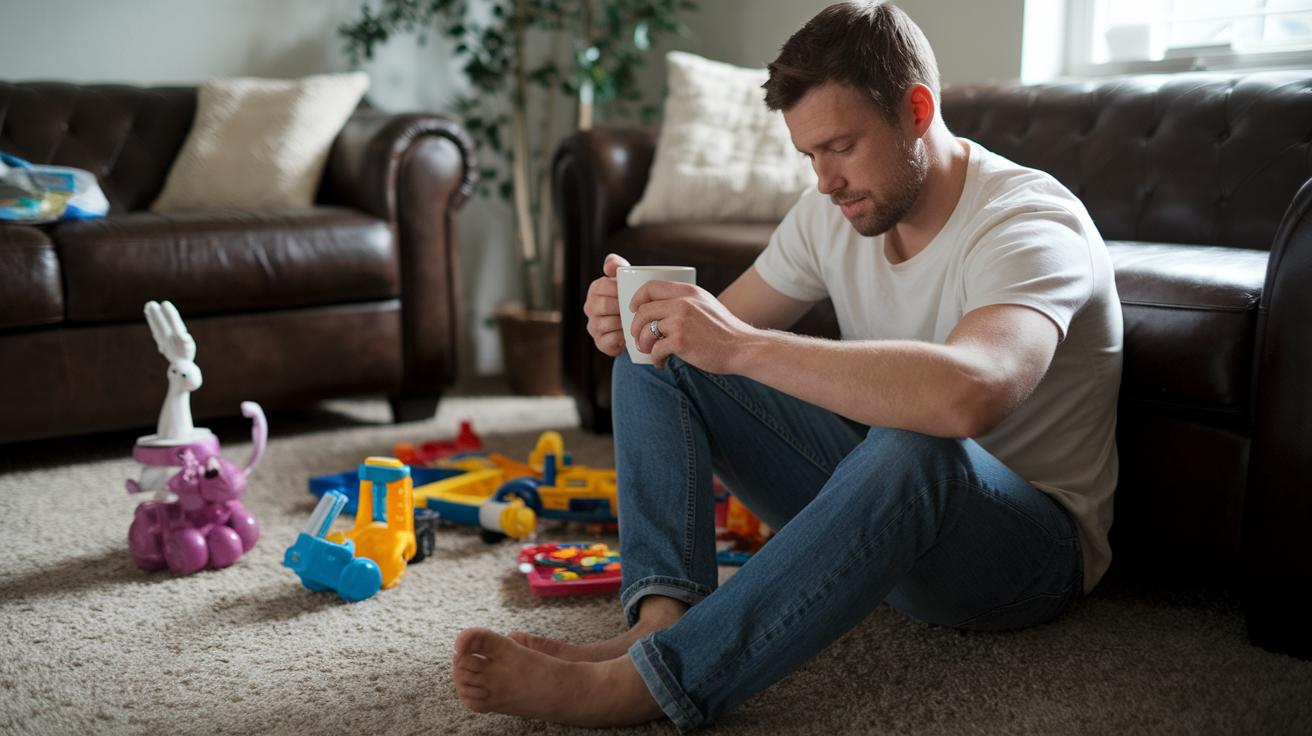
Real talk from a Dad of four who never relied on nannies or grandparents: the young-kid chapter is brutal and you'll have to press pause on a lot of hobbies and social time. That's ok , it's a phase, not forever. Practical life-hacks: stop bathing kids daily , wash face and hands, and wipe bottoms; we bathe 3x per week, more in sports season. Dad must be hands-on with diapers, planning and logistics or resentment builds. Book short date nights, eat out more, hire a weekly cleaner for mental reset, and hold a Sunday family meeting to plan breaks and small rewards.
Not a Knock on Having Kids: Why the Early Years Are Exhausting
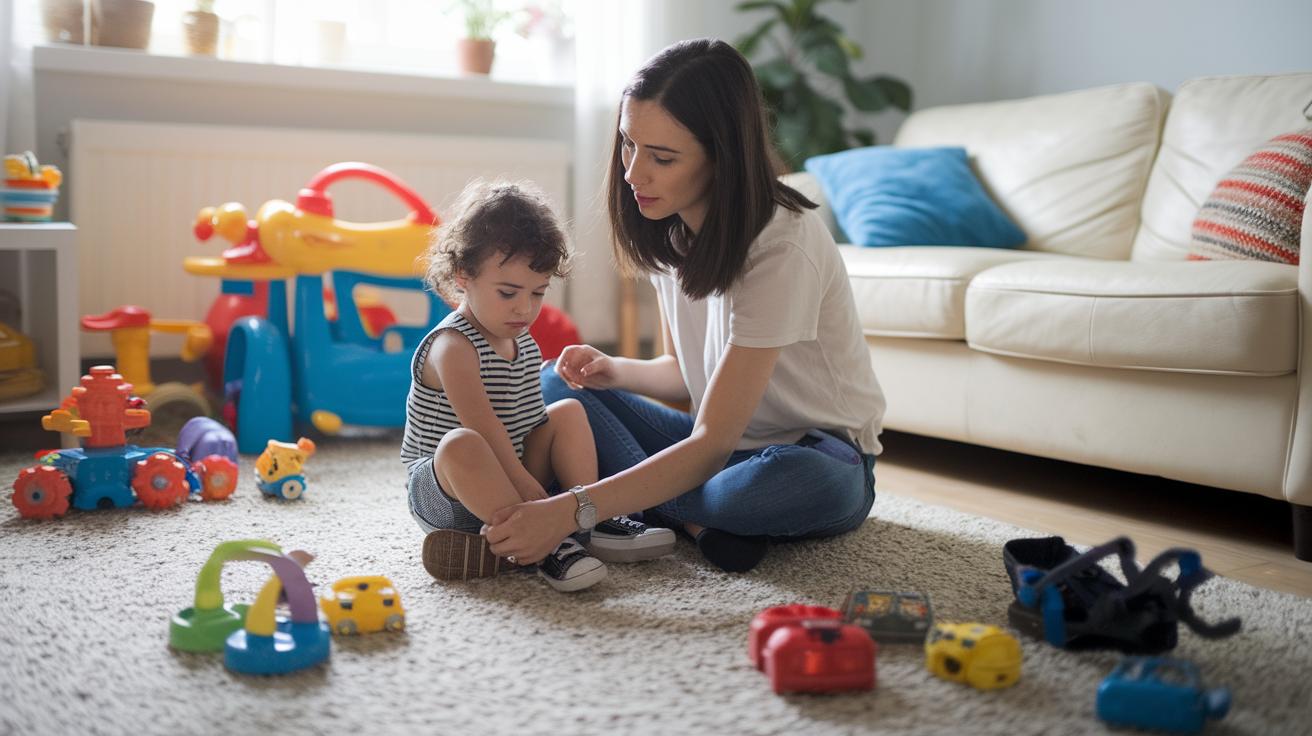
This isn't a criticism of parenthood , kids bring joy and new social circles , but raising toddlers who need help with everything from pants to sippy cups takes a mental toll. It's a short window, so consider having children earlier and closer together to minimize drawn-out baby years. Spacing siblings close means an intense but compressed chapter rather than a decade of diapers and tantrums. Every family's circumstances differ; financial readiness and health matter. Our fourth is just about out of it , we see the light. Plan for the slog and the payoff: it ends sooner than you think.
Skip the Daily Bath: Practical Bath-Time Truths

Everyone jokes 'no mess at bath' until the upstairs ceiling shows the water stains. Bathtime with kids can flood a bathroom , splashes, suds, and towels strewn everywhere. That’s another reason to avoid daily full-on baths: less washing means fewer accidental floods and less cleanup. Practical fixes include using a shallow baby tub, limiting toys that encourage splashing, keeping large towels and rugs ready, and doing quick sponge baths when time is short. Remember, hygiene can be simple , clean faces, hands, and bottoms are often enough between deeper baths three times a week or during sweaty sports seasons.
Stay-at-Home Parents Don’t Get a Break , How to Help

Being a stay-at-home mom isn't an easy pass , it's full-time, mentally exhausting work that lacks the boundary of an office day. I can’t speak fully for households where both parents work, but the stakes shift: childcare, schedules, and logistics get trickier. We didn't get money from extended family, so every hour had to be carved out. Whether one partner stays home or both work, the solution is the same: active, predictable help from the other parent. Daily support beats grand gestures. Split routines, calendar commitments, and regular check-ins reduce friction and keep resentment from growing.
Let Her Have an Identity Beyond Mom , Avoid the Two-Income Disconnect

One lesson: many women crave an identity beyond 'mom' , it's healthy. My stay-at-home wife channels that into volunteering, coaching, and community roles. Others choose paid work as that second identity, but often without the pressure of being the primary breadwinner. That's where tension can appear in two-income homes: different expectations about responsibility and stress. The fix is honest conversations about identity, expectations, and division of labor. Support your partner's outside interests, carve out time for them to pursue passions, and agree on who handles what when the routine breaks , simple clarity prevents a lot of friction.
Small Daily Acts Beat Once-A-Week Chores

Ask most moms and they'll list what their husbands don't do , and 'mowing the lawn once a week' rarely makes the top of that list. It's the invisible, ongoing labor that causes burnout: planning meals, remembering doctor appointments, packing lunches, folding laundry, and managing bedtime routines. The answer isn't grand gestures; it's daily consistency. Take ownership of a few small, repeatable responsibilities , school drop-offs, a weekday dinner rotation, or managing the kids' calendar. Those things add up and free mental space for your partner. Doing less of the 'one-off' helpful tasks and more daily support actually changes home life.
Au Pairs, Babysitters and What Actually Works

I once suggested an au pair and my wife joked she worried I'd run off with her , laughter aside, bringing a non-family adult into the home raises trust and comfort issues. Au pairs can be a great, affordable childcare option, especially for flexible schedules, but vetting and boundaries are crucial. If your partner is hesitant, start with alternatives: a trusted part-time babysitter, a nanny-share with another family, or a predictable daycare schedule. Present a plan: references, background checks, trial periods, and clearly defined duties and rules. Respect and transparency about roles make outside help feel safer for everyone.
Everyone Out, Mom In: The Power of Short Solo Breaks

Sometimes the best break for a tired mom is literally everyone else leaving the house for a few hours. The cheap, effective reset is solitude , a quiet coffee, a walk, a spa appointment, or just sitting with a book. Use the Sunday family meeting to schedule these small escapes: trade childcare duties, set a recurring solo Saturday morning, or surprise her with a spa appointment on a stressful day. Short, predictable breaks restore sanity more than a rare big trip. Make it routine, because seeing a two-hour window on the calendar is a small win that keeps the household going.
