Squid Game 2's announcement reignited global interest — and a storm of headlines. As the sequel assembled a high-profile cast, social media, mainstream press and fan forums began cataloguing everything from resurfaced allegations to old social-media posts, casting disputes, bullying claims and questions about military service. This roundup organizes the most-discussed controversies connected to the show's cast, separating verified facts from rumor and showing how producers, agencies and platforms have responded. Important note: not every claim is proven; many are disputed or under investigation. Read on for a category-by-category look at the issues making headlines.
Casting shockwaves: fan fury and big-name additions

Squid Game 2's casting choices generated immediate debate. With Lee Jung-jae returning and reports of high-profile new additions, fans split between excitement and worry. Some argued the sequel leaned on big names for hype, potentially overshadowing the original ensemble; others applauded star power that could raise international visibility. Social channels hosted petitions, thinkpieces and viral threads dissecting each casting announcement. Accusations of "stunt casting" and opaque agency negotiations circulated, while a portion of the audience demanded transparency about how roles were awarded. Production defended its decisions as artistically motivated, but the uproar showed how casting drives expectations long before release.
Old police reports and legal tangles resurfacing

Whenever a franchise grows as big as Squid Game, journalists revisit cast members’ pasts. For some involved in Season 2, prior brushes with the law , traffic incidents, police inquiries or administrative charges , resurfaced, sometimes years after the fact. In South Korea, even resolved matters can become reputational problems once headlines reappear. Agencies typically respond with clarifications, court records or apologies when necessary; streaming platforms weigh reputational risk against artistic merit. The result is a patchwork of stories that vary in seriousness and verification. Viewers are left to judge while PR teams manage the fallout.
School bullying accusations , why they hit hard in Korea
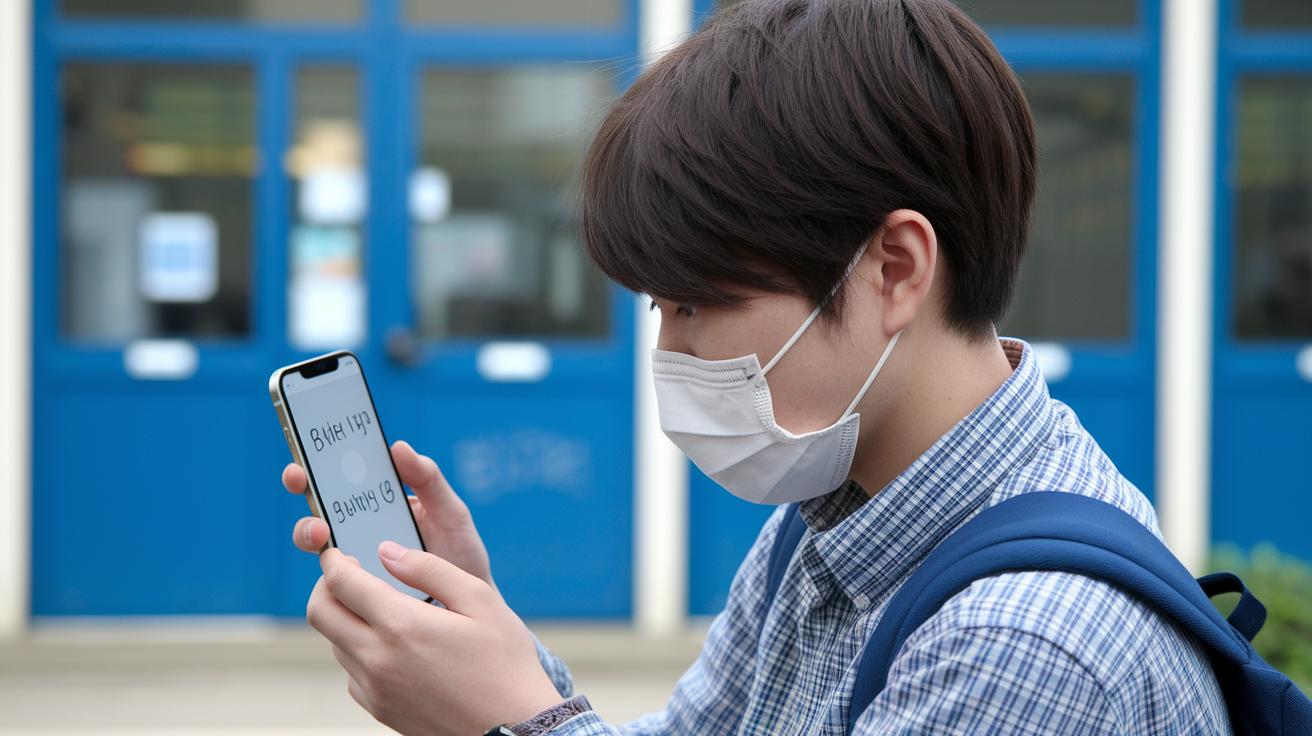
Allegations of school bullying have derailed several Korean entertainers’ careers in recent years, and any similar claims tied to Squid Game 2 drew instant attention. These accusations , often shared anonymously on social platforms , allege abusive behavior during youth and sometimes come with screenshots or witness accounts. The cultural sensitivity around bullying amplifies the impact: audiences demand accountability and advertisers react quickly. Agencies respond with denials, apologies or promises of investigations; legal action sometimes follows. For producers, such claims force difficult choices about casting and promotion and remind the industry that past behavior can reshape a performer’s public image overnight.
Past social media posts and PR missteps

Old tweets, Instagram posts and private messages can blow up when attached to a global hit. For several cast members, archived posts or comments were dug up and repackaged as evidence of problematic views or careless jokes. The speed of social media means these items spread before context or clarification arrives, prompting immediate backlash. Some actors issued public apologies and explained context; others deleted accounts or took hiatuses. This trend has made background checks and social audits a standard part of casting. More broadly, it underscores how the permanence of online activity can complicate modern celebrity and PR strategies.
Military service debate: conscription controversies and celebrity exemptions
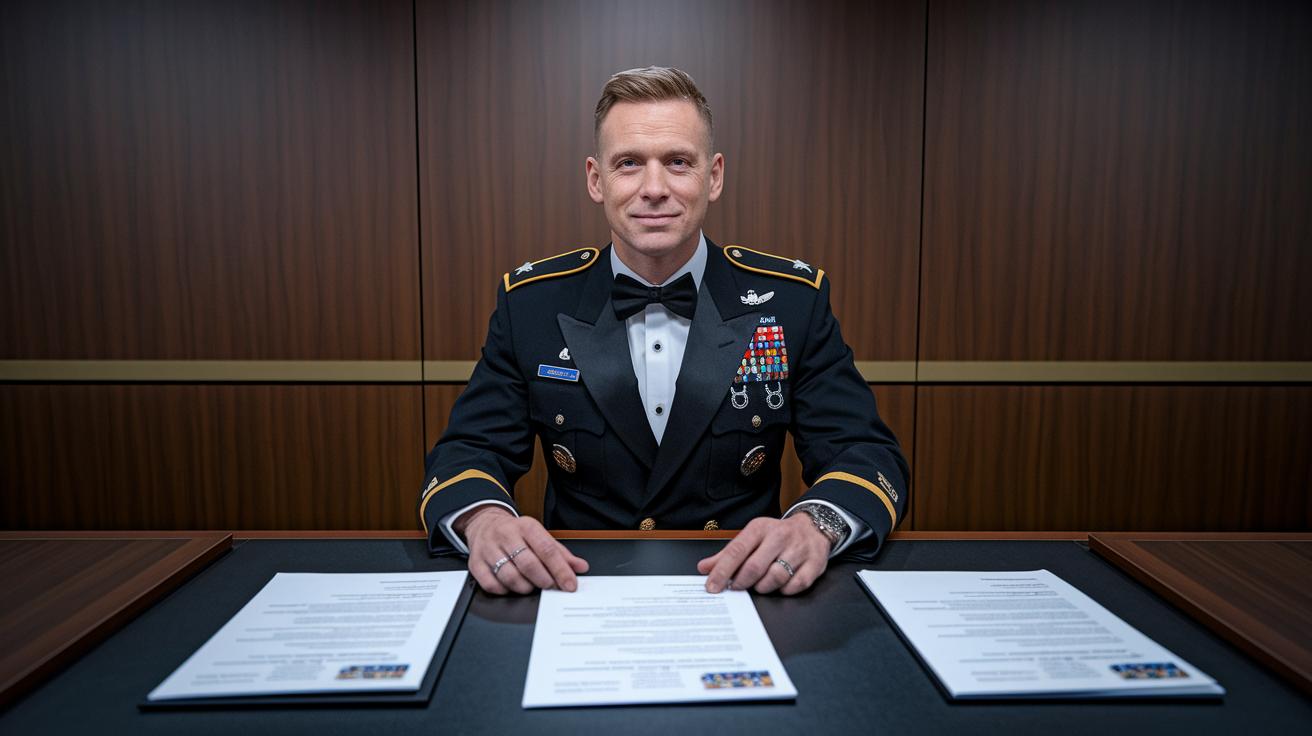
Conscription is a hot-button issue in South Korea, so any hint that a celebrity avoided or delayed service invites scrutiny. Casting announcements for Squid Game 2 prompted renewed looks at some performers’ military records: exemptions, postponements for education or health, and administrative irregularities. Even when paperwork is legitimate, the optics can be damaging and feed narratives of privilege. Producers monitor this closely because public sentiment can affect viewership and brand deals. The debate extends beyond individual stories into larger conversations about fairness, national duty and how public figures balance career obligations with mandatory service.
On-set behavior and workplace safety concerns

As the scale of production grows, so does scrutiny of working conditions. Rumors circulated about tense relations between cast members, reports of grueling schedules and concerns over stunt safety. While not all claims are verified, they raise important issues about labor practices: adequate rest, clear safety protocols and respect for crew. Unions and advocacy organizations have pushed for transparent incident reporting and better protections. For a global streamer like Netflix, ensuring a safe and fair set is both ethical and strategic , mishandled complaints can lead to bad press, legal exposure and disruptions to shooting schedules.
Leaks, spoilers and online harassment of cast
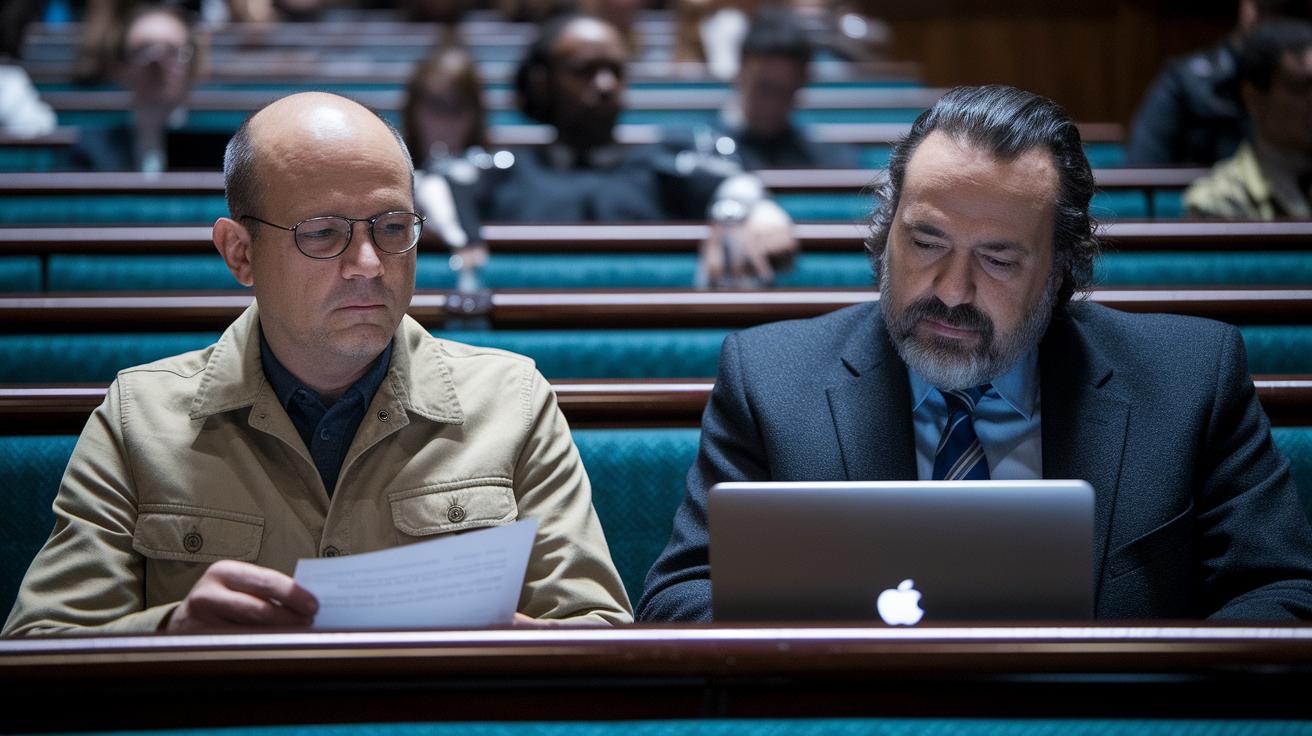
High-profile productions attract spoilers and leaks, which can quickly escalate into harassment. When scripts or plot details for Squid Game 2 leaked online, some fans reacted by targeting cast and crew with abusive messages, doxxing attempts and public shaming. Actors sometimes received threats or intrusive attention that required legal intervention or agency statements. The situation illustrates the darker side of fan culture, where entitlement meets cyberbullying, and highlights the need for stronger security around scripts, stricter NDAs and industry support to protect performers from online abuse.
Wider fallout: pay, representation and accountability

Beyond individual headlines, the controversies tied to Squid Game 2’s cast fed broader industry conversations: about accountability, talent vetting, pay equity and representation. Brands reassessed endorsements, networks reviewed casting protocols, and unions pressed for clearer oversight. Opinions diverged between those advocating forgiveness and context and others demanding stricter standards and transparency. For streaming-era projects that ripple globally, studios must proactively build policies to mitigate harm and support those affected. The controversy underscores that reputation management now involves not just reactive PR, but proactive systems prioritizing accountability, safety and fair labor practices.
