Ever wonder how one music video could change everything? Back in the day, seeing your favorite song light up the screen was pure magic. It wasn’t just about hearing the tune, it felt like each song was a mini movie.
Remember when the video killed the radio star? That moment turned our world upside down and made music more than just a sound. Artists began mixing style with sound, turning their hits into dazzling art shows.
This game-changing move still sends ripples through pop culture. Ever get that buzz when you discover something totally fresh? That’s the same spark lighting up our music scene today.
How Video Killed the Radio Star Launched MTV and Transformed Music Consumption
Back in August 1981, MTV lit up screens with "Video Killed the Radio Star" as its very first music video. This debut wasn’t just a song on TV, it flipped music listening on its head by adding a visual twist that made music come alive.
MTV’s fresh spin meant you weren't just hearing your favorite beat but also seeing it explode on screen, like a live art show in motion. Before MTV, fans tuned in solely for the sound, but now every song turned into a mini spectacle that brought energy and color to every room.
That groundbreaking launch sent shockwaves through the entertainment world. Suddenly, artists started thinking about their look and image as much as their tunes, blending creativity with the cool tech of video effects. It was like watching your favorite song get a makeover that set a new standard for music and TV.
This epic shift turned everyday listening into a fun, interactive event, a true blend of art and technology that still inspires how we enjoy music today.
Video Killed the Radio Star: Origins and The Buggles Breakthrough

Back in the early 80s, The Buggles burst onto the scene with a sound that was as fun as it was revolutionary. They had a clear vision and poured fresh ideas into every beat. They weren’t just making music, they were sending a message that it was time to move from plain old radio waves to the bright, pulsing world of moving images. Think of it like a catchy tune that invites you to see music in a totally new way, making their debut track one for the ages.
Even before music videos were a big deal, early live recordings captured their raw, electrifying energy in small, intimate settings. These sessions weren’t polished, but they showed a spark that was impossible to ignore. When their hit climbed the charts, it quickly became more than a radio favorite, it turned into a classic hit for the digital era.
Listeners got a delightful mix of melody and visual storytelling that forever changed pop culture. Every beat and lyric from The Buggles set the stage for a new way of experiencing music, paving the way for MTV’s revolutionary lineup.
Visual Innovation in the Video for Video Killed the Radio Star
When MTV first went on air on August 1, 1981, it was more than just a broadcast, it sparked a whole new way of telling stories with images. The video for Video Killed the Radio Star blew minds with its creative flair, changing the way people enjoyed music. Every scene burst with energy, mixing art and technology to create a fresh vibe in music presentation.
This video grabbed attention by blending imaginative visuals with a clear, engaging storyline. Every frame felt like a piece of art thanks to cool special effects that caught the eye immediately. With its mix of dramatic lighting and playful visual hints, the video perfectly matched the song's fun, thoughtful lyrics.
Not only did it set new trends with its stunning visuals, but it also used innovative techniques that spoke to a wide audience. From its futuristic design to its bold color choices, the video made it clear that music could be a vibrant visual experience. This inventive spirit paved the way for future music videos and left a permanent mark on pop culture.
In short, this groundbreaking video got audiences to rethink how sound and sight can come together. Its creative spark still influences modern visuals and continues to inspire the way we enjoy music.
Analyzing the Lyrics of Video Killed the Radio Star: Themes and Meaning
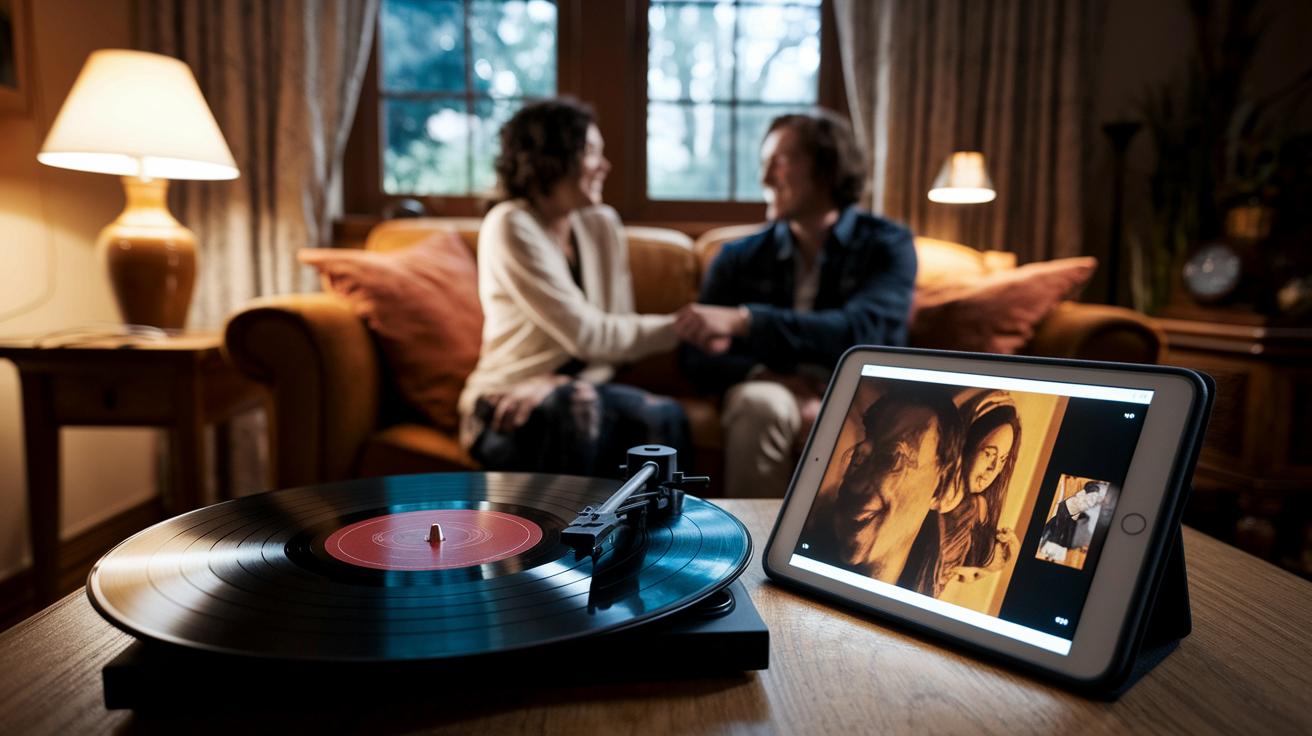
The song's words pack a punch as they flip the idea of classic radio into a call for a fresh, image-first world. The lyrics mix playful puns with smart comparisons. They hint that our cozy world of audio storytelling is slowly making way for a realm filled with visuals and new technology. Every line feels like a short story marking a big change where sound finally meets sight. For example, one line says, "The future's channel is lit by moving pictures." This shows us that the old ways are stepping aside for a bold visual era.
One major theme here is the clash between warm, analogue sounds and the exciting sparkle of digital life. The song paints a picture where radio fades into a soft memory while lively screens take center stage. It almost feels like the lyrics are quietly nudging us to notice just how quickly our way of enjoying media is changing.
- The song hints that radio is now just a whisper of the past.
- It celebrates visuals as the vibrant, interactive home for music.
By weaving in clever metaphors of transformation and reinvention, the lyrics capture a burst of energy from a time when technology reshaped creativity. It's like watching a classic tale unfold with a modern twist, each word stepping into the bright spotlight of today's pop culture.
Commercial Success and Chart Performance of Video Killed the Radio Star
This track shot up the charts in no time and became a worldwide sensation. It wasn’t just the catchy beat or the cool video, it was the perfect mix of smart timing, striking visuals, and clever promotion that made everyone take notice. Fans everywhere felt the buzz, comparing the rise to watching a magic trick, as the song jumped from local radio to topping charts around the globe.
Once the video hit screens, traditional radio was suddenly not enough. In North America and Europe, sales skyrocketed as listeners fell in love with the blend of sound and picture. The new, video-first approach broke down old barriers between music markets. For example, European audiences cheered the mix of art and tech, while in the United States, record-breaking MTV viewership proved just how powerful the trend was.
A closer look at global charts paints an interesting picture. Some regions warmed up slowly, while others exploded with popularity almost overnight. No matter where you looked, the song’s universal appeal was clear, it not only captured hearts everywhere but also helped usher in a new era for the music industry.
Cultural Influence of Video Killed the Radio Star on Pop Imagery

MTV's debut of "Video Killed the Radio Star" changed the game by showing that music could be seen as well as heard. This legendary video burst onto screens and made its mark as more than just catchy tunes, it was art in motion that told us music had entered an exciting new era. Its bold, playful imagery quickly set the trend for how we see fashion and ads today.
The video dazzled us with a mix of vivid colors, striking shapes, and energetic movement. Ever think about how music used to be only about the sound? That shift was a big surprise. Designers turned album covers and red carpet styles into mini art exhibits, and ad agencies jumped on the bandwagon, crafting campaigns that echoed the video’s cool, futuristic vibe.
This shift brought fresh, interactive ways to share music, making every record drop feel like a live event. Creative minds in fashion and media began mixing these edgy visuals into their work, filling our pop culture with dynamic, multimedia art.
- Fashion embraced bold new looks sparked by the video.
- Marketing strategies got a creative boost with eye-catching visuals.
- Fans discovered a whole new way to experience music through engaging, sensory storytelling.
Remixes, Covers and the Enduring Legacy of Video Killed the Radio Star
This classic tune still brings a creative burst. Artists are giving it a fresh spin with remixes and covers that mix modern beats with that catchy hook we all know. Some remixes layer new rhythms over the original melody, surprising you while staying true to the song's heart. Others are stripped-back live sessions that let genuine emotion shine through.
Fans have also jumped in with viral parodies, turning the hit into fun skits and memes that light up social media. It's like the song keeps reinventing itself with every passing generation, with playful nods to the original video that keep its nostalgic vibe alive for both die-hard fans and newcomers alike.
Even celebrity covers add their own twist, stepping up to honor the original while injecting fresh creativity into live shows and online buzz. Each performance helps keep the legend of the song burning bright.
| Classic hit remixes | Modern remixes |
|---|---|
| Keep the spirit alive | Add catchy new sounds |
| Celebrity covers | Live session takes |
| Breathe fresh energy | Highlight deep emotions |
Every remix, cover, and viral parody shows that this beloved track is still a powerful piece of music history, celebrated and reimagined around the globe.
Final Words
In the action, we saw how MTV made waves with its launch and how "video killed the radio star" became a spark for a whole new way to enjoy music. We broke down the video’s clever visuals, catchy tunes, and smart lyrics while checking out the buzz around remixes and cultural shifts.
The piece left us with a real sense of how music and video came together to create legendary moments. Enjoy the show and keep that excitement rolling!
FAQ
Video killed the radio star lyrics
The video killed the radio star lyrics tell the story of how music changed when videos took center stage, symbolizing the shift from audio-only radio to a visual experience that rocked the pop scene.
Video Killed the Radio Star release date
The video killed the radio star release date is August 1, 1981, when MTV debuted its first music video, launching a new chapter in how audiences enjoyed their favorite tunes.
Video Killed the Radio Star queen
The video killed the radio star queen often refers to online discussions where fans compare the song’s iconic status to royalty in pop culture, celebrating its influential role in music history.
Video killed the radio star reddit
The video killed the radio star reddit conversations highlight vibrant debates and fan insights that explore the song’s meaning, impact, and lasting legacy in shaping the music industry.
Video Killed the Radio Star Live
The video killed the radio star live performances bring the electrifying spirit of the original hit to the stage, offering audiences a chance to relive the moment that changed music forever.
Video killed the radio star wikipedia
The video killed the radio star Wikipedia page gives a detailed look at the song’s background, release, and its groundbreaking effect when it played a key role in MTV’s launch.
Video Killed the Radio Star (karaoke)
The video killed the radio star karaoke version lets fans enjoy a fun twist on the classic hit, encouraging everyone to sing along with a beloved track that marked the start of the video age.
Video killed the radio star SVU
The video killed the radio star SVU mention is linked to pop culture references where the song appears in TV show discussions, highlighting its unexpected appeal beyond traditional music channels.
Was Video Killed the Radio Star the first video on MTV?
The video killed the radio star was the very first video on MTV, debuting on August 1, 1981, and marking a turning point in how music was presented to fans worldwide.
What does it mean that Video Killed the Radio Star?
The phrase ‘video killed the radio star’ means that music videos reshaped the music scene, shifting the focus from radio broadcasts to a visual experience that redefined how we connect with songs.
Are The Buggles a one-hit wonder?
The Buggles are often called a one-hit wonder since ‘Video Killed the Radio Star’ remains their most famous song, even though they released other tracks that enjoyed some attention.
Who is the female voice in the Video Killed the Radio Star?
The female voice in video killed the radio star refers to the backing vocals provided by studio talent, adding an extra layer of sound to the recording and contributing to its unique atmosphere.
