Ever wonder how two artists team up to create a sound that blows your mind? When musicians join forces, they mix their unique styles like throwing secret spices into the perfect recipe. This article is your backstage pass to the world of music collabs. We'll chat about setting clear goals, finding that perfect partner, and crafting tracks that burst with energy. Step by step, you'll see how raw ideas transform into hit tunes. Get ready to discover what makes these musical partnerships so electrifying!
how do music collaborations work: Inspiring Synergy
Artists usually jump into a collaboration by figuring out the exact sounds they need. They might look for that punchy drum fill, a soaring guitar solo, or even a shimmering synth line. Sometimes, you'll hear an artist say, “I need a tight guitar riff to build my track,” which makes it clear what they’re after. This step sets the creative goals and shapes the vision for the whole project.
After that, the fun really starts with finding the right partner. Musicians often dive into their personal connections or browse online spots to meet someone who vibes with their style. Once paired up, they get together for pre-production sessions. Here, songwriters, instrumentalists, and producers outline the track’s structure, decide who does what, and work on the songwriting process. It’s like sketching out a blueprint where each person brings their own unique touch to the mix.
Then comes production time, where all the ideas really come alive. They might hit the studio for live recordings or work remotely, swapping parts and tweaking tracks in real time. This phase is buzzing with energy and spontaneous creativity, as every bit of input makes the track richer and more exciting.
After the recording wraps up, everyone shifts gears to post-production. In this stage, the team fine-tunes the track through mixing, mastering, and getting final approvals from each other. All these steps ensure that the finished song perfectly captures the combined creative spirit of the collaborators.
how do music collaborations work: Key Roles & Responsibilities
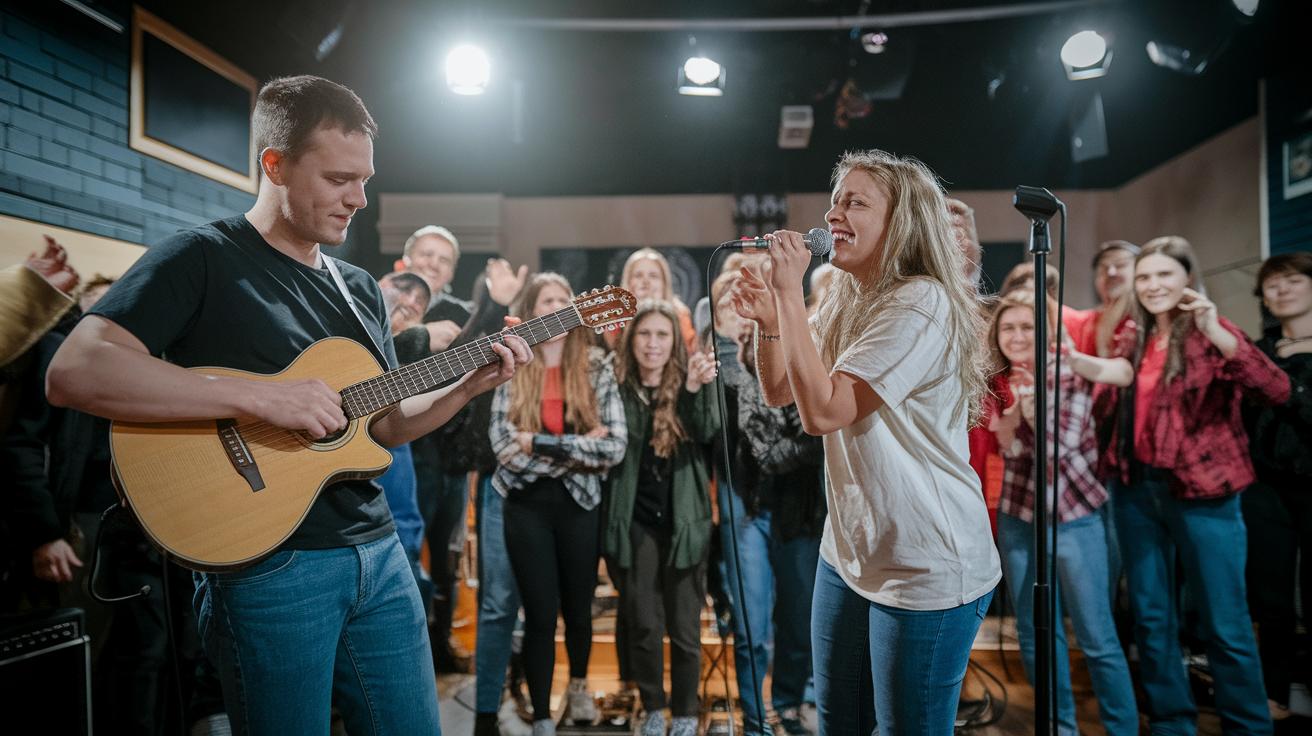
Vocalists and instrumentalists are the soul of any song. They lay down the beat and melody that get stuck in your head, kind of like that unforgettable guitar solo or a vocal high note that makes you stop and listen. Their performance is raw, honest, and full of energy.
Songwriters and lyricists add a special twist by crafting catchy hooks and memorable verses. They stitch everything together with words and rhythm. Imagine a songwriter saying, "I wrote that hook while feeling the pulse of the city" – it shows how everyday moments can spark creative genius.
Then there are the producers, the creative captains of the show. They fine-tune every element, set the sound direction, and keep the beat programming on point. Think of them like conductors who gather all the different parts and turn them into one fantastic track.
Recording engineers handle all the technical magic. They manage mic placement, adjust levels, and ensure every sound is crystal clear. Their work makes sure that even when skills vary, all the musical ideas blend seamlessly together.
And of course, clear communication ties it all together. When everyone chats openly and matches their skills, any differences in music theory fade away, letting creativity flow and resulting in a track that truly resonates.
how do music collaborations work: Essential Tools & Platforms
Today, digital tools let musicians come together from anywhere. Whether you're chilling at home or on the go, platforms like BandLab, Soundtrap, and Splice let you record, swap files, and chat while making music. Picture this: you team up with a guitarist from miles away and jam out live right in your browser. These tools handle the techy bits so you can spark your creative genius.
BandLab brings a cool "Forking" feature that not only lets you layer on someone else's track but also keeps a neat history of versions. Soundtrap, on the other hand, ushers you into a live editing space with multi-track recording and VST support, perfect for tweaking every sound detail. And then there's Splice, which stands out with sample sharing, project backup, and speedy invites to collaborators. Whether you're jamming in real time or trading tracks at your own pace, these platforms have got you covered.
Plus, networking hubs like Vampr and Kompoz are total game changers. They help you connect with musicians who match your style or instrument needs, setting the stage for unexpected and exciting creative mixes. With these online meeting spots, planning remote duets or even full band sessions is a breeze, no matter where everyone's at.
| Platform | Key Feature | Collaboration Mode | Unique Tool |
|---|---|---|---|
| BandLab | “Forking” feature, chat, version history | Synchronous & asynchronous | Built-in social network |
| Soundtrap | Real-time DAW editing, multi-track recording | Live collaboration | Browser-based VST support |
| Splice | Sample sharing, project backup | Asynchronous file exchange | Ease of collaborator invitations |
| Vampr | Networking by style/instrument | Remote collaboration | Musician match-making |
| Kompoz | Session partner search | Remote duets and groups | Creative collaboration hub |
how do music collaborations work: Legal & Copyright Considerations
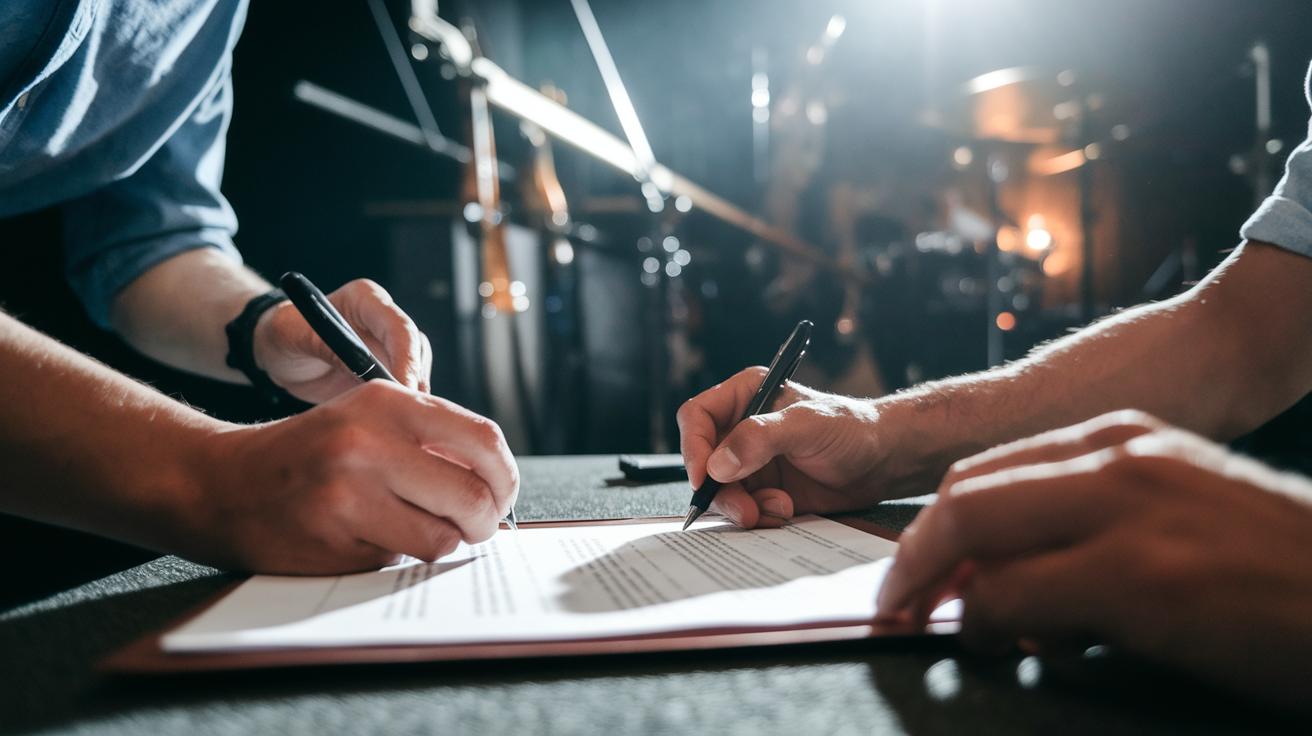
When musicians join forces, nailing down the legal details is a must. They whip up simple contracts that spell out who gets which part of the song. Everyone agrees on the percentages, how the royalties split up, and even the order that credits appear, so there’s no confusion about who owns what.
Picture a lyricist saying, "I want to shine in the spotlight, and I need my royalties to be fair." That’s why artists sort out who claims the master recording rights and who gets the composition nod. Both the beat and the words are covered, keeping everything safe.
Musicians also team up with performance rights groups to make sure every share is registered right. When a song turns into a hit, every songwriter and publisher gets their fair cut from the earnings. Contracts often cover how long rights last, include reversion clauses, and set the stage for future sync deals. This way, every creative partner knows their work is secure and celebrated.
how do music collaborations work: Iconic Examples of Successful Collaborations
Queen and David Bowie teamed up in 1981 to create "Under Pressure." Picture a live studio jam where raw energy mixed rock and pop into one unforgettable tune. It was all about that spontaneous spark, like a musician blurting out, "This line just hit me!" , a moment we all secretly love.
Then in 1986, Aerosmith and Run-DMC broke the mold with "Walk This Way." They blended hard-hitting rock riffs with cool hip-hop beats in a way that felt like two totally different worlds colliding. This daring mix brought Run-DMC into a whole new spotlight, showing us how merging unique styles can totally change the game.
Fast forward to 2003 when Beyoncé and Jay-Z teamed up on "Crazy in Love." Their track is a fun cocktail of soulful R&B vocals, punchy rap, and a live horn section that adds a burst of energy. And then in 2018, Lady Gaga and Bradley Cooper turned heads with "Shallow." Their duet wasn’t just about catchy pop and heartfelt ballads, it was a film-like storytelling experience that drew you in like a captivating scene at the movies.
how do music collaborations work: Best Practices & Tips for Success

Start your session by getting your goals in order. Think about what sound you need, like a cool guitar riff or a punchy drum fill. You might say, "I want a crisp snare beat to drive this track." This clear plan helps everyone get in sync from the start.
Keep the creativity alive with regular check-ins. Chat a bit often to share ideas and make sure no one gets stuck. Set clear deadlines and roles so tasks don't build up and get messy. Pick digital tools that both of you enjoy using, whether it's an easy online music editor or quick file sharing that works in real time.
Show respect for each other by giving credit for every smart idea. A friendly and open talk makes the whole process flow as smoothly as your favorite melody.
Final Words
In the action, we explored the step-by-step process that shows how do music collaborations work. We broke down core stages, from defining creative goals and partner discovery to recording sessions and legal details, while also spotlighting iconic examples and sharing tips for a smooth co-creation process. Each phase builds on the last, creating a blueprint for teaming up and crafting memorable tracks. Enjoy the creative ride as the magic of music continues to shine with every new hit.
FAQ
How do music collaborations work on social platforms and in recent years, and how do artists decide to work together on a song?
Music collaborations work by first outlining musical needs and goals, then using platforms—like Reddit or networking sites—to find partners, plan roles, share files through digital audio workstations, and mix tracks together.
What does artist collaboration with brands mean?
Artist collaboration with brands means musicians join forces with companies to create music projects that match the brand’s vibe, blending creative talent with promotional opportunities.
What is Vampr?
Vampr is a networking app for musicians that helps them connect and partner with other artists online, matching creative styles and technical skills for smooth collaborations.
What does the term collab mean?
Collab means a creative team-up where two or more artists combine their ideas and skills to make music, pooling their strengths to create something fresh.
What are the 5 rules of effective collaboration?
Effective collaboration follows clear role assignment, open communication, shared goals, mutual respect, and timely feedback, making sure all contributors stay in sync throughout the creative process.
What does the 80 20 rule in songwriting mean?
The 80 20 rule in songwriting means that about 80% of the song’s impact comes from roughly 20% of the creative input, indicating that a few key ideas shape most of the final track.
What are common collab mistakes to avoid?
Common collab mistakes include not setting clear roles, failing to communicate openly, mismatched creative vision, slow feedback, and lacking proper agreements, all of which can lead to production troubles.
