Could a chatbot cut depressive symptoms by half? Early trials and clinic reports say yes, and that’s just the start. AI is already widening access with around-the-clock support, lowering costs, spotting trouble earlier, tailoring care to real daily patterns, and freeing clinicians from routine paperwork. These are measurable wins, not buzzwords: people get help faster, for less, and with programs that fit their lives. The key point: AI works best when it supplements licensed care, boosting reach and quality while clinicians keep the lead.
How AI Delivers Real Benefits Across Mental Health Support Services
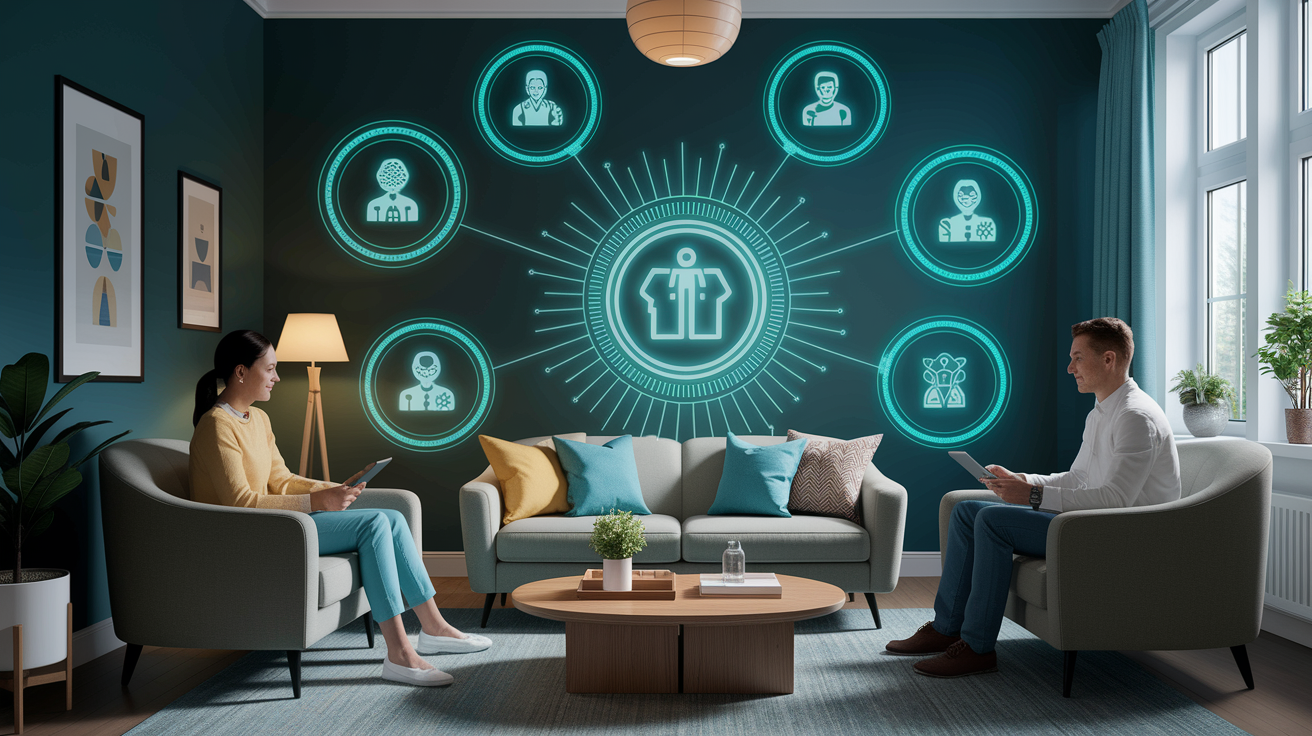
AI is reshaping mental health support in ways you can actually measure, not just theorize about. Across clinics and research settings, the benefits show up in five clear areas: accessibility, affordability, early detection, personalization, and clinician efficiency. And the data backing this up is starting to pile up.
Here’s what’s actually working, based on recent clinical research:
- 24/7 availability: People can reach out for support at 2 a.m. or during a lunch break, not just during office hours.
- Cost reduction: Many AI tools are free or low cost, removing a major barrier that keeps people from seeking help in the first place.
- Measurable symptom improvement: A randomized trial published in NEJM AI (2025) found that over 8 weeks, participants using a generative AI chatbot saw a 51% reduction in depressive symptoms, a 31% reduction in anxiety symptoms, and a 19% reduction in eating disorder concerns.
- Reduced stigma: Talking to an app first feels lower stakes for many people than walking into a therapist’s office right away.
- Early detection through data analysis: AI can flag warning signs in speech, text, or wearable data before symptoms become severe.
- Clinician workload relief: Automated notes and trend spotting free up therapists to focus on the actual human connection with patients.
These numbers matter especially when you consider the math on provider availability. The U.S. currently averages about 1,600 people with depression or anxiety for every available mental health provider. That gap is exactly where AI mental health benefits become most obvious, offering a stopgap for people who’d otherwise wait weeks for an appointment.
But here’s the honest part. These AI assisted mental healthcare outcomes are strongest when AI supplements licensed care, not when it stands in for it. Human clinicians still carry the responsibility for diagnosis, crisis intervention, and treatment of complex conditions like severe depression or psychosis. The rest of this article breaks down each of these benefits in more detail, along with where the limits are.
Around the Clock AI Mental Health Support and Crisis Chatbots
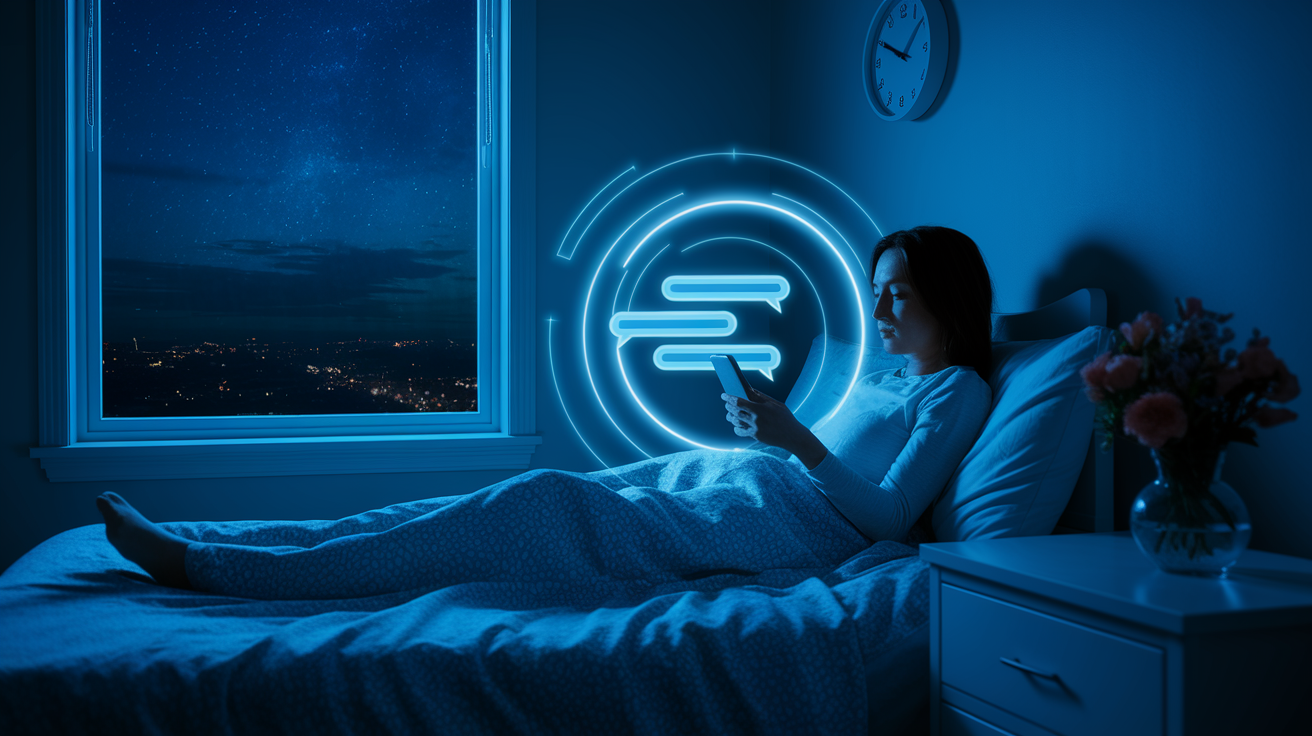
Mental health struggles don’t follow business hours. Someone’s anxiety can spike at midnight, and their regular therapist won’t be reachable until Monday. That’s exactly the gap that 24/7 mental health support automation fills, and clinicians are taking notice.
A 2025 study in Frontiers in Digital Health highlighted continuous availability as one of the strongest advances AI tools bring to the field. This matters a lot given how stretched the provider workforce already is, with roughly 1,600 people per available provider in the U.S. alone. AI chatbots for crisis support don’t replace a therapist, but they do give people somewhere to turn when stress hits and no one else is available. For someone lying awake with racing thoughts, having any responsive tool at hand can be the difference between spiraling and getting through the night.
Beyond immediate comfort, AI is also proving useful for reducing wait times through triage. In stepped care models, chatbots help sort people toward the right level of care, whether that’s a self-guided exercise, a scheduled therapy session, or an urgent referral. Crisis hotline routing works in a similar way, helping direct people faster instead of leaving them stuck in a queue. That said, this technology still has real limits. A 2025 Stanford study testing five popular chatbots found inappropriate responses to suicidal ideation in about 20% of crisis scenarios, compared to roughly 7% for human therapists. That gap is significant, and it’s why crisis chatbots work best with clear escalation pathways to licensed clinicians built in, not as a standalone safety net.
Personalized AI Driven Therapy Plans and Treatment Customization
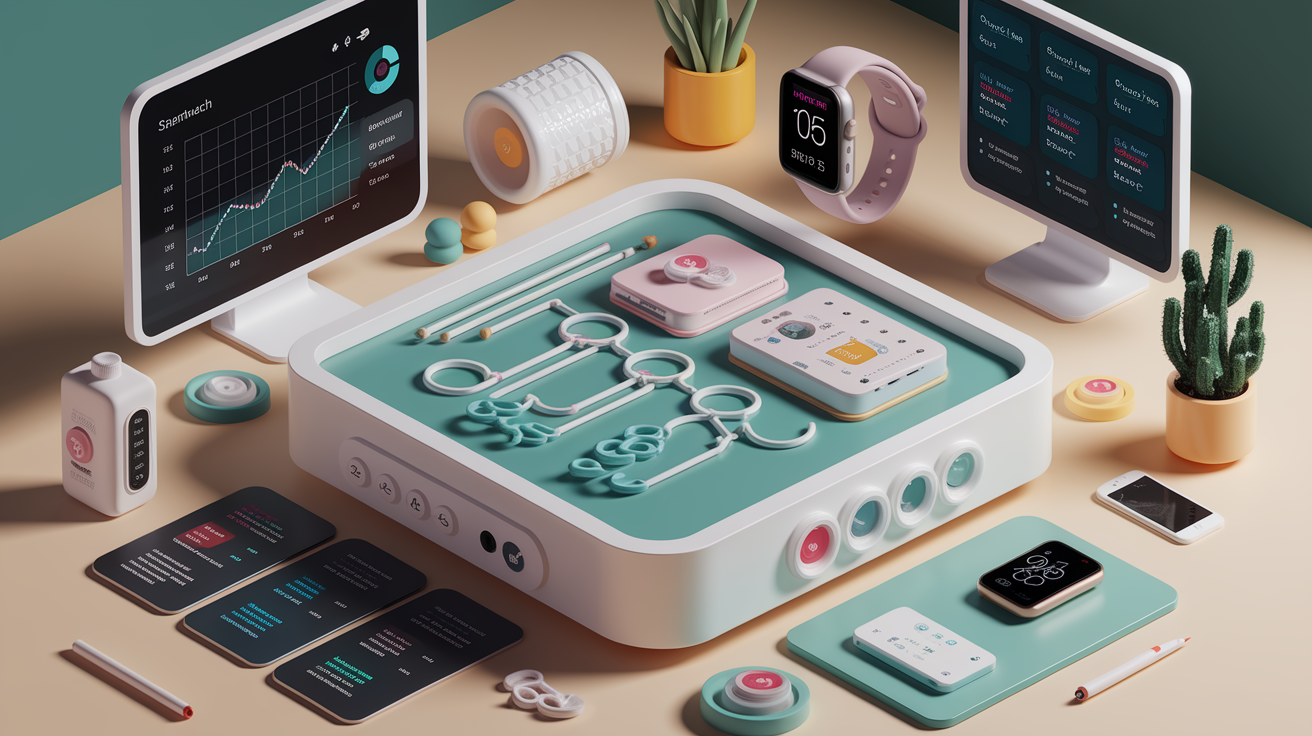
One of the more exciting shifts in this space is how personalized care has become. Machine learning models can now analyze data from apps and wearables, things like sleep patterns, physical activity, and behavioral trends, to build individualized treatment recommendations. This is part of what’s often called precision psychiatry, where care gets shaped around a person’s actual patterns instead of a one size fits all approach. Think of it like swapping a generic workout plan for one built around your actual sleep and energy levels.
Between sessions, these personalized plans keep people engaged in ways that used to be hard to sustain. Many therapy oriented chatbots now include CBT style exercises, mood tracking, and guided reflection prompts. So instead of trying to remember what your therapist said two weeks ago, you get small nudges and structured practice that reinforce the skills you’re actually working on.
There’s also a quieter benefit happening behind the scenes. Administrative relief for clinicians. AI tools can assist with note taking, research, and spotting trends in patient data using natural language processing. That might sound small, but it adds up. Every minute a clinician doesn’t spend typing notes is a minute they can spend actually listening to their patient. This kind of support is one of the clearer ways AI tools improve access to therapy, not by replacing the therapist, but by giving them more room to do the human part of the job well.
Early Detection Benefits of AI in Mental Health Screening
Catching a problem early almost always makes it easier to treat. That’s the whole premise behind AI’s growing role in spotting mental health conditions sooner, and it’s one of the more promising applications so far.
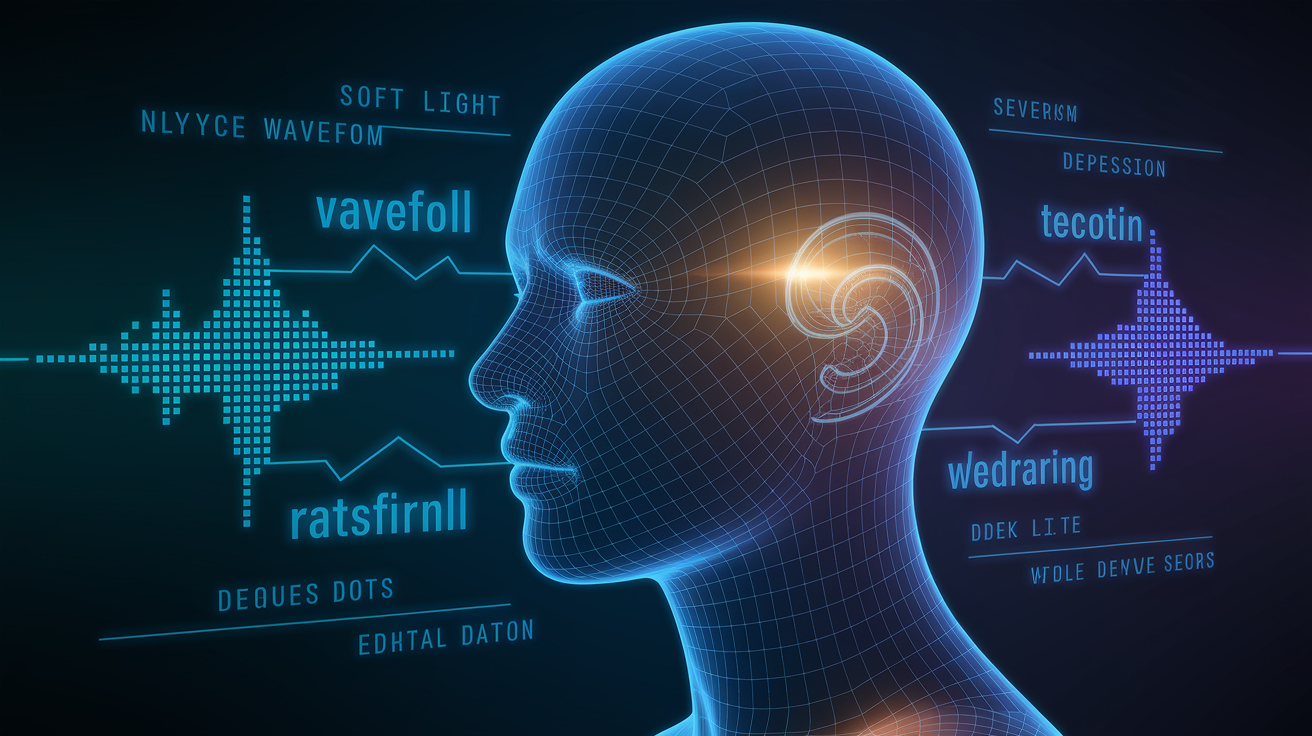
AI systems can analyze several data streams at once, including wearable sensor data, speech patterns, text messages, and even social media activity when a person has given consent. Symptom monitoring works by looking for subtle shifts, a change in typing speed, a flatter tone of voice, disrupted sleep, that might signal depression or anxiety developing before someone even recognizes it themselves. These are sometimes called digital biomarkers for depression, and they’re becoming a genuinely useful early warning layer alongside traditional checkups.
Voice analysis for mood assessment is one of the more interesting techniques here. Subtle changes in pitch, pacing, or pauses in speech can correlate with mood shifts, giving automated screening tools a way
Final Words
AI expands access, lowers cost, speeds early detection, personalizes care, and helps clinicians, supported by clinical trials showing symptom drops.
A randomized trial reported 51% fewer depressive symptoms, 31% fewer anxiety symptoms, and 19% fewer eating-disorder concerns over eight weeks.
We explored 24/7 chatbots, personalized plans from wearables, early-detection tools, and clinician-support features.
We also noted limits: crisis chatbots sometimes misrespond, so human clinicians must handle diagnosis and crisis care.
Taken together, that mix points to meaningful, evidence-backed progress.
That balance is exactly the practical benefits of AI in mental health support services.
FAQ
Q: What are the benefits of AI therapy in mental health care and how is AI being used in mental health support?
A: The benefits of AI therapy in mental health care include improved access, affordability, early detection, personalization, and clinician efficiency; AI is used in chatbots, monitoring, and treatment planning, with trials showing major symptom reductions.
Q: What are 5 positive impacts of AI?
A: Five positive impacts of AI are expanded 24/7 access to care, lower costs, measurable symptom improvement (clinical trial evidence), earlier detection through data analysis, and reduced clinician workload via automation.
Q: What AI is best for mental health support?
A: The best AI for mental health support depends on needs; choose clinically validated, privacy-focused tools offering 24/7 chat, measurable outcomes, and clear escalation paths to licensed clinicians for crisis or complex cases.
