What if hope is the real hero in the movies you love?
Hopeful films give characters, and us, a reason to keep going by showing agency, small wins, and genuine change.
They do this through character choices, layered pacing, warm visuals, and honest struggle, not cheap happy endings.
You’ll learn the key traits: resilience, connection, earned progress, and the simple film tricks that nudge us toward hope.
Read on to see how cinema builds that optimistic kind of rescue, scene by scene.
What Makes A Film Hopeful: The Core Definition
At its heart, a hopeful film gives its characters, and its audience, a reason to keep going. It shows resilient people who hold onto agency even when life pushes back hard. Redemptive arcs that turn pain into meaning. Small wins that build over time. And an ending that affirms things really can get better. Hope on screen isn’t the absence of darkness. It’s the presence of forward motion inside that darkness, the sense that conditions are temporary and can trend positive.
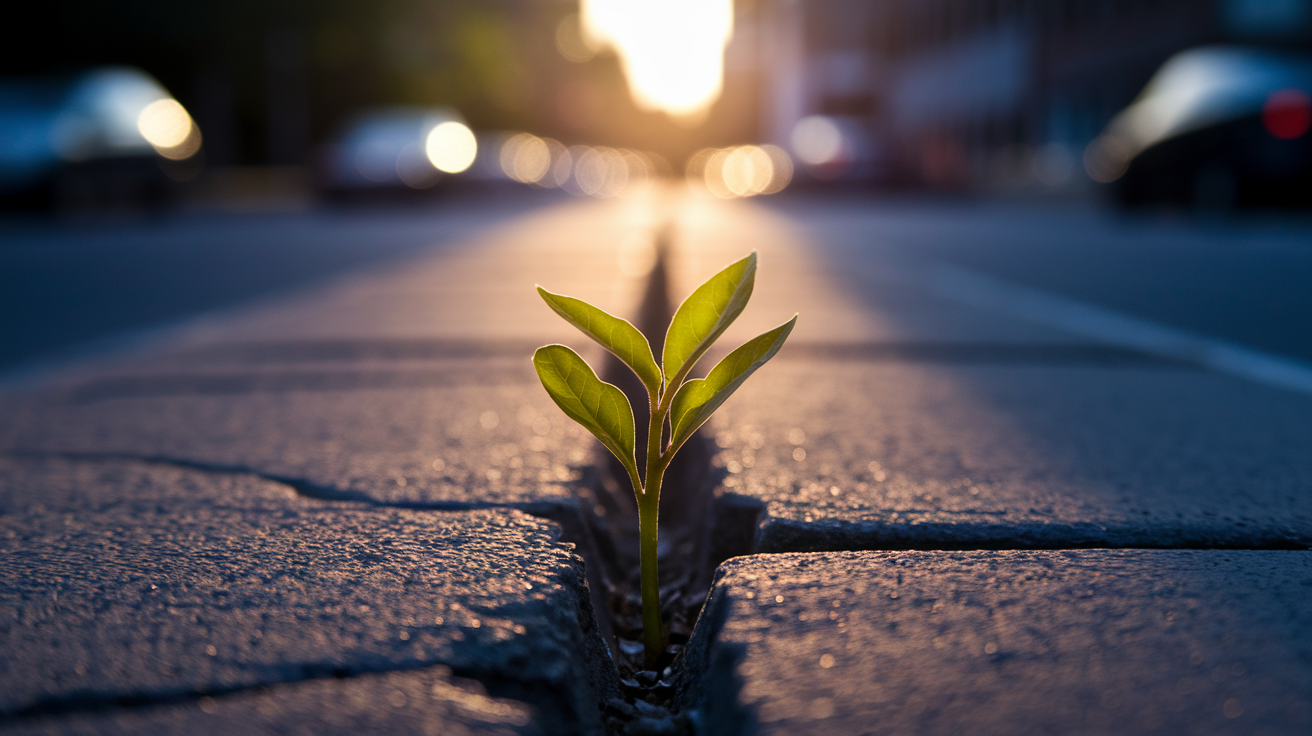
Think of it like a plant growing through a crack in the sidewalk. The concrete is still there, still hard, still unfair. But something keeps reaching for light anyway.
Feel-good movies work almost like medicine for what German speakers call weltschmerz, a heavy, world-weary sadness. The best of them leave viewers feeling hopeful, refreshed, and genuinely warmed. That’s not an accident. It’s built, scene by scene, choice by choice.
Here are the essential ingredients that show up again and again in hopeful cinema:
- A resilient, agentive protagonist who keeps making choices, even small ones, instead of simply enduring
- A redemptive or restorative arc that transforms suffering into growth rather than just surviving it
- Incremental, believable wins that accumulate instead of one unearned miracle fix
- Community or connection that gives characters something to hold onto beyond themselves
- Visual and musical choices, warm light, swelling scores, that signal safety and possibility
- A morally affirming resolution that doesn’t have to be happy, just honest and forward facing
These elements aren’t limited to one genre. You’ll find them in prison dramas, animated robot love stories, Holocaust films, and multiverse action comedies alike. The rest of this piece digs into how each ingredient gets built, frame by frame, scene by scene, choice by choice.
What Character Arcs Make A Film Feel Hopeful?

Hope usually starts with a character reclaiming control. When someone regains a sense of agency, even in tiny ways, the whole story starts to breathe differently. This is why so many hopeful films center on people who refuse to become passive, no matter how stacked the odds.
Andy Dufresne spends 19 years in Shawshank State Penitentiary, and what makes his story land isn’t just survival. It’s the patient, quiet resourcefulness he shows the entire time. Erin Brockovich channels raw determination as a single mother of three taking on a powerful utility company. And in The Pursuit of Happyness, a father clinging to his son through homelessness shows hope isn’t about comfort. It’s about showing up anyway.
Redeemed antagonists and found family bonds add another layer. When a once hostile character softens, or when strangers become something like family, it suggests people aren’t fixed. They can change. Everything Everywhere All at Once leans hard into this idea, resolving its chaotic multiverse journey not with a big battle but with acceptance and kindness between a mother and daughter who spent the whole film misunderstanding each other.
None of this works if the growth feels rushed or unearned. A character who forgives too easily, or triumphs without visible struggle, tips the whole film into sentimentality instead of real hope. Believability is the quiet backbone holding it all together.
What Narrative Structures Create A Redemptive Ending?

Redemptive endings rarely arrive in one dramatic swoop. Instead, they’re built through episodic wins, small pieces of progress that stack up until the final act feels earned rather than convenient. A character gets a little stronger, a little braver, a little more connected, and each of those moments becomes a brick in the larger structure.
Pacing matters here too. Filmmakers often stagger their emotional reveals so hope builds gradually instead of hitting all at once. Everything Everywhere All at Once saves its most tender realizations for the final fifteen minutes, letting the chaos of the multiverse settle into something quieter and more human right when the audience needs it most.
There’s also a structural trick worth noticing. Stakes tend to shrink right before the ending. The external danger fades so the emotional resolution can take center stage. Life Is Beautiful does this beautifully, using a father’s humor and imagination to reframe unimaginable horror into something his son can survive with his spirit intact. The threat doesn’t disappear. It gets recontextualized into meaning.
What keeps any of this from feeling hollow is visible struggle. A redemptive ending only lands if the audience watched the character actually fight for it.
What Cinematography And Color Choices Signal Hope In Film?

Long before a line of dialogue lands, the camera has already told the audience how to feel. Warm color palettes, soft or high key lighting, and open framing act like visual shorthand for safety, continuity, and possibility. A scene bathed in golden light communicates something different than one drenched in cold blue shadow, even if the words on the page are identical.
Wide, expansive landscapes do a lot of quiet work too. The Secret Life of Walter Mitty leans on the vast openness of Greenland, Iceland, and the Himalayas to physically stretch its protagonist’s world, and by extension, the audience’s sense of what’s possible. When the frame widens, so does the feeling of possibility.
Some of the most powerful hopeful cinematography actually pairs darkness with warmth rather than avoiding it. Shawshank’s prison walls are grey and unforgiving, yet certain scenes glow with unexpected tenderness. Life Is Beautiful sets its warmest, funniest moments against a Holocaust backdrop, and the contrast is exactly what makes the hope cut so deep. Light means more when we’ve seen the dark it’s pushing against.
Final Words
In the action, we saw how hope in a movie grows from resilient, agentive characters, redemptive arcs, small believable wins, supportive connections, warm visuals and music, and endings that feel morally earned.
Those elements work across genres, from prison dramas to animated adventures. Hope isn’t pretending trouble never happened. It’s seeing forward motion after it.
If you ask what makes a film hopeful, it’s those earned moments of progress and connection. They leave you steadier and quietly glad.
FAQ
Q: What is the 60-30-10 rule in filmmaking?
A: The 60-30-10 rule in filmmaking is a color-palette guideline: use one dominant color about 60%, a secondary about 30%, and a 10% accent to create balanced visuals and guide emotional focus.
Q: What are some hopeful movies?
A: Some hopeful movies are The Shawshank Redemption, Erin Brockovich, The Pursuit of Happyness, Everything Everywhere All at Once, Life Is Beautiful, and The Secret Life of Walter Mitty.
Q: What movie did Tom Hanks regret making?
A: Tom Hanks has not publicly named a single film he deeply regrets; he usually talks about specific creative choices or projects that didn’t meet expectations rather than calling out one title.
Q: What is the 20 minute rule for movies?
A: The 20 minute rule for movies is the idea that audiences decide whether to stay within the first 20 minutes, so filmmakers should hook viewers early with clear stakes, tone, and character.
