Strangers stepped in where it mattered most, with five people saving an injured cyclist, a med student arranging real care for an uninsured rider, and small gifts keeping people moving.
Would you believe these moments aren’t rare, but quietly normal in cities and suburbs alike?
These true stories show how brief choices, like calling 911, offering a few dollars, or sharing a pass, turn into concrete help.
Read on to see what happened, who benefited, and why small, timely kindnesses keep communities safer and kinder.
Five Bystanders Rally Around An Injured Washington Cyclist
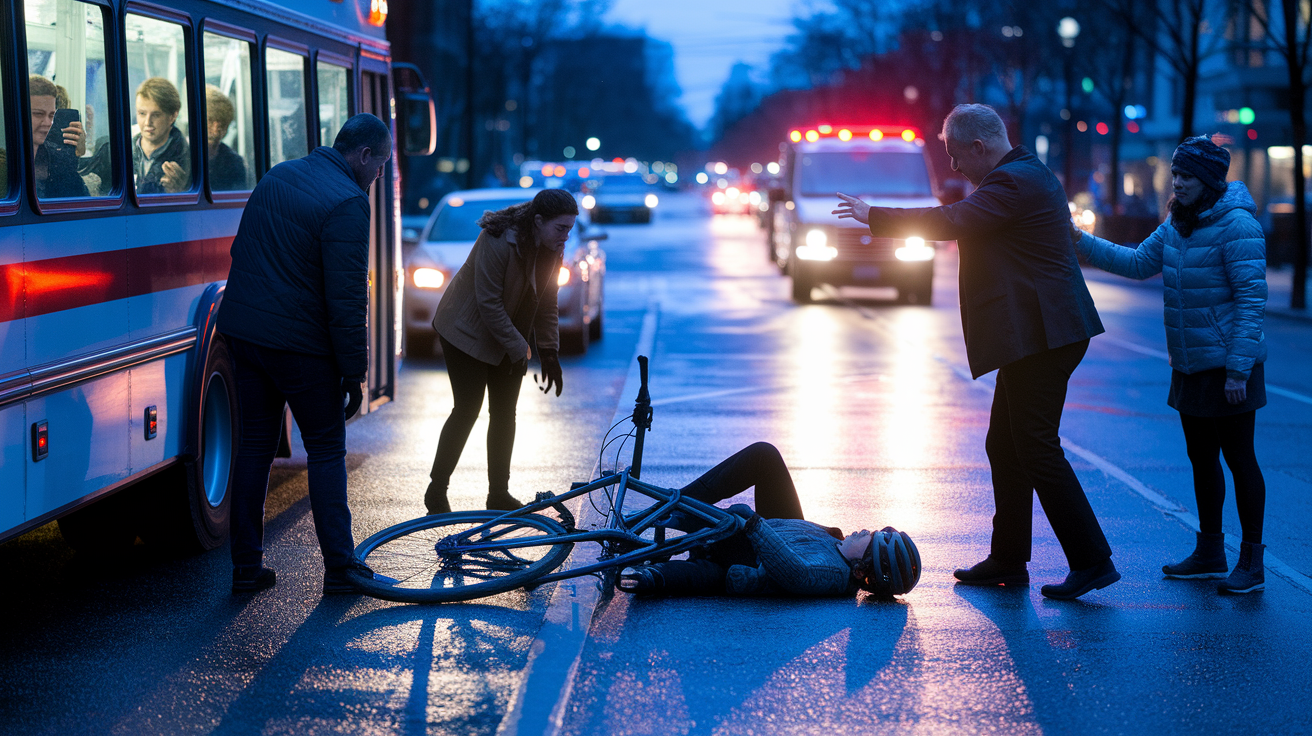
The cyclist was about five miles into a ride from 8th Street toward Petworth in Washington, D.C., when everything changed in an instant. It was around 8:30 p.m., dark enough that headlights mattered, and then came the crash. What followed was roughly an hour of missing memory, the kind of gap that makes an ordinary night suddenly feel dangerous. Lying injured near moving traffic, with cars and buses still rolling past, is one of the most vulnerable spots a person can end up in. No one plans for that moment. But strangers showed up anyway.
Here’s the remarkable part. At least five separate people stopped what they were doing to help. A driver pulled over right away and called 9-1-1. Two passengers on a bus that happened to pass by each called 9-1-1 on their own, apparently without even coordinating with each other. Then two pedestrians ran toward the scene, one blocking the road so no other vehicle could reach the injured cyclist, the other staying close and calling for help. Five strangers. Zero hesitation.
By the time professional care took over, the cyclist had a helmet still in place, oxygen tubing, and a head wrapped carefully in what were described as big yellow blocks to keep it still. A CAT scan followed at the hospital, and the wait stretched to about 30 or 45 minutes lying in a hallway before a doctor delivered the final word around 2:00 a.m.: a mild concussion and a cracked rib. Painful, sure. But it could’ve been so much worse without five people who didn’t know this cyclist from anyone else on the road, choosing to stop, call, block traffic, and stay until help arrived.
A Medical Student Finds Care For An Uninsured Subway Passenger
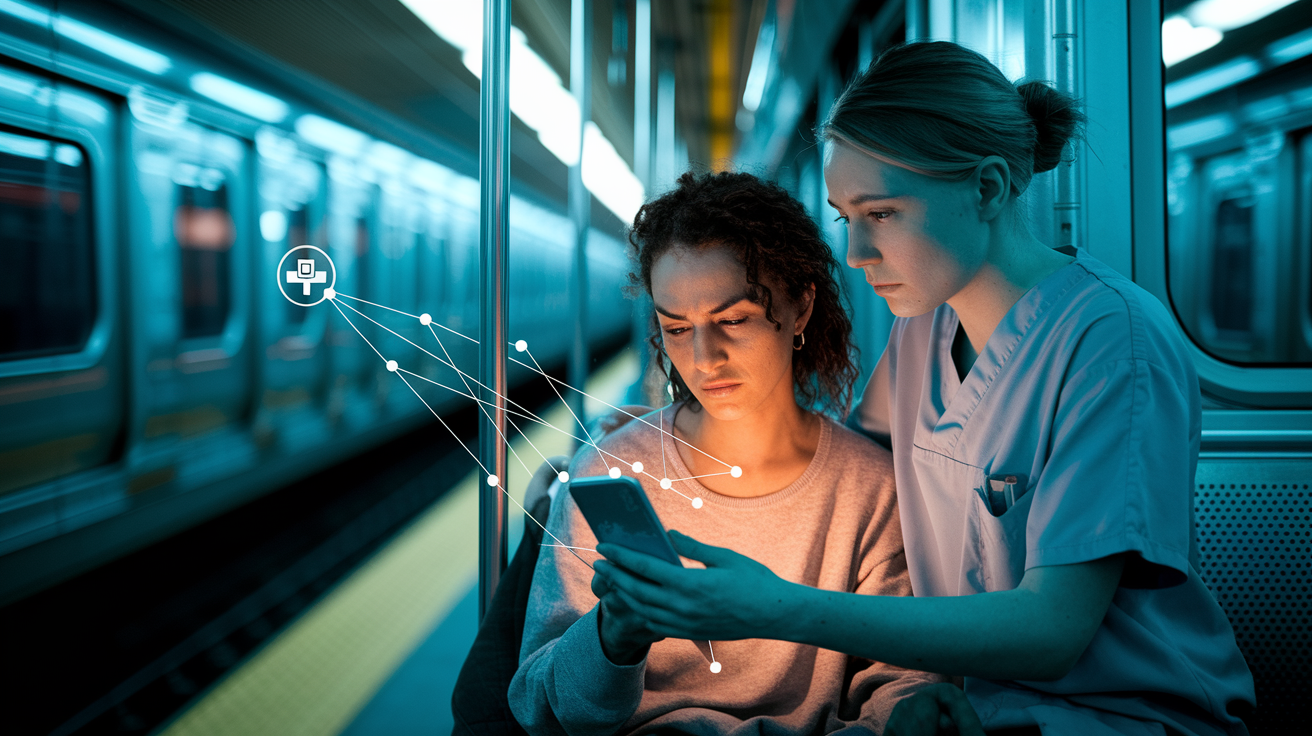
It was December 2022, early morning, on a subway platform in New York. A medical student was heading to a hospital rotation when a woman nearby, a recent immigrant, revealed something quietly urgent. She had no health insurance. She’d had her thyroid removed years earlier and had been rationing a three month supply of medication ever since, unsure what she’d do once it ran out. Worse, she was starting to notice new symptoms, telling the student in Spanish that she could no longer feel the tips of her fingers. For someone without coverage and without a clear sense of where to turn, that kind of symptom is frightening in a very specific way. Not knowing where to go can feel just as scary as the symptom itself.
The student didn’t have a textbook answer sitting in her pocket. What she had was a group chat with the Latino Medical Student Association, and she used it right there on the train. Within a minute, a contact came back for a free clinic near East Harlem, run through Mount Sinai. Over the subway noise, on speakerphone, an actual appointment got arranged before the train even reached the next few stops. The woman left that ride with something she didn’t have twenty minutes earlier, a real appointment, at a real clinic, that she could actually afford. Later that day, she sent a text of thanks in Spanish, calling the student her guardian angel. It’s a small thing, a phone and a group chat, but in that moment, it was everything.
Small Gifts At A Gas Pump And Zoo Entrance
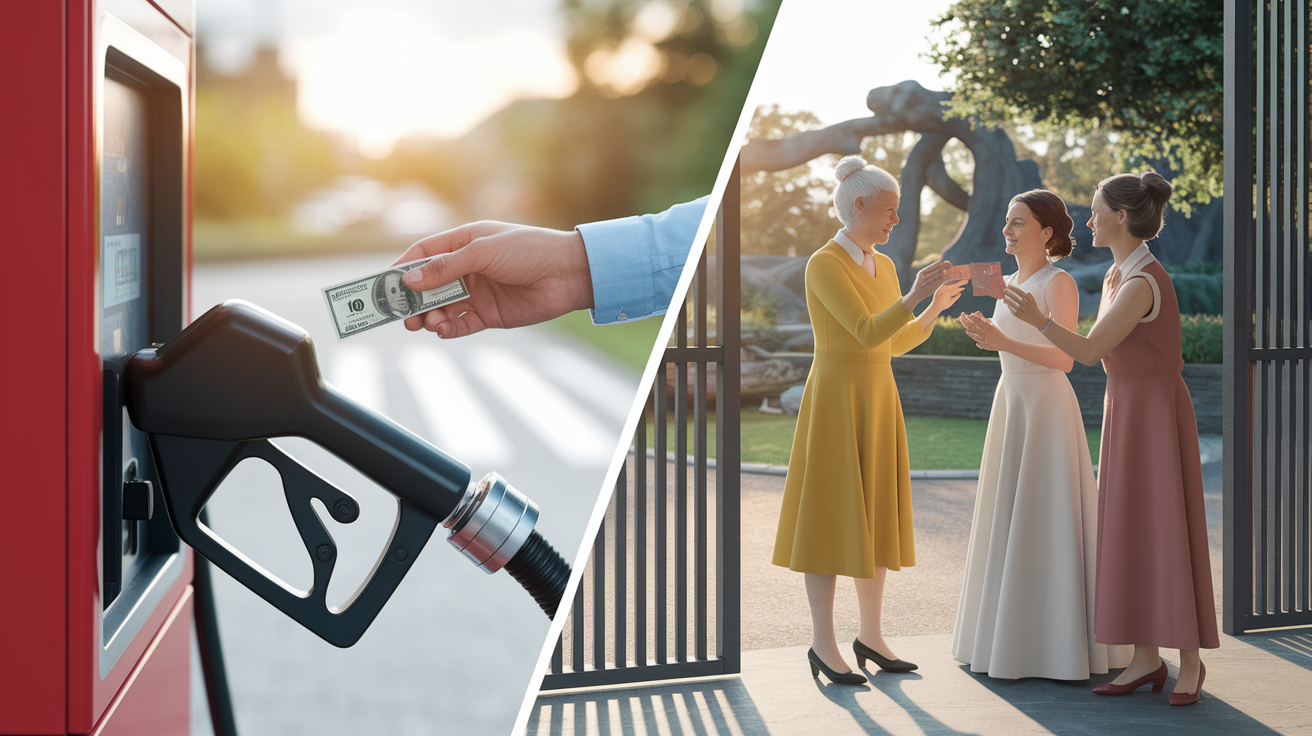
Picture standing at a gas pump, watching the numbers freeze because your card only has $1.67 left on it. That’s exactly where one stranded motorist found herself, an amount that wouldn’t get her anywhere near home. A stranger nearby noticed, walked over, and simply put $5 on her pump. No lecture, no drawn out conversation. Just enough to solve the problem in front of her and get her back on the road.
A different kind of small generosity showed up at a zoo entrance. A newlywed couple was about to pay full admission, priced at $50 per person, when two older women standing nearby offered up their extra guest passes instead. They didn’t know the couple. They just happened to have passes they weren’t using, and a newly married pair standing right there who could use them. What could’ve been a $100 expense turned into a free afternoon, all because two strangers decided their spare passes were better spent on someone else’s celebration.
Neither gesture took much planning or sacrifice, and that’s really the point. Five dollars solved a stalled car. Two passes turned an expensive zoo trip into a memory. What made each moment matter wasn’t the size of the gift. It was the timing, showing up exactly when it was needed, for someone who had no way of knowing help was even possible. Stories like these tend to stick with people long after the moment passes, quietly nudging them to look for their own chance to do the same for someone else down the road.
How The Published Accounts Were Sourced And Checked

Not every kindness story arrives the same way, and it’s worth pausing to note the difference. The cyclist’s account and the subway story both came through Story Collider, a platform built around detailed, first person spoken narratives, complete with specific timing, direct quotations, and contextual detail that ground the story in a real place and moment. Community collections work a bit differently. Outlets like BuzzFeed and HuffPost gather submissions directly from readers, which brings its own kind of authenticity even while working through a lighter editing process.
A few sourcing notes worth keeping in mind:
- Story Collider accounts tend to include specific contextual and first person details, like exact times and direct quotes.
- BuzzFeed’s collection pulled together 26 separate community submissions.
- HuffPost’s “The Good Kind” project featured 8 reader submitted stories.
Both BuzzFeed and HuffPost state plainly that they edit these submissions for clarity, which means some wording or secondary details may be condensed along the way, even as the core event stays rooted in what the reader actually experienced. That’s worth remembering before treating every last detail as independently confirmed. It’s also worth protecting the privacy of the people being helped in these stories, many of whom remain anonymous by necessity, and giving credit thoughtfully rather than assuming every name, date, or number has been separately verified by a third party.
Final Words
In the action, a cyclist hit the pavement near 8th Street and five strangers stepped in—drivers, bus riders, and pedestrians who called 9-1-1 and shielded him from traffic until help arrived. A medical student on a subway used a group chat to find a free clinic for an uninsured passenger. Small gestures—five dollars at a pump, extra zoo passes—made real differences. We checked sources and noted edits, so they’re grounded accounts.
These true stories of strangers helping strangers show how small, timely acts can protect and change lives, and that feels hopeful.
FAQ
Q: Can you share some true stories about kindness or real-life stories that touch the heart?
A: The true stories include a D.C. cyclist aided by five bystanders after a crash, a medical student finding a free clinic for an uninsured subway rider, and small gifts rescuing stranded strangers.
Q: What are some examples of helping others?
A: Examples of helping others are calling 9-1-1, blocking traffic to shield an injured cyclist, using a student group chat to locate free care, and adding a few dollars or passes to meet urgent needs.
