What if the simplest fix for kids going hungry on weekends was slipping a bag into their backpack?
It sounds small, but Minnesota’s EveryMeal did exactly that—packing 4- to 5‑pound meal bags and tucking them into students’ backpacks every Friday.
No paperwork, no lines, no stigma.
That one change grew from a single staff observation into a statewide school partnership that now reaches thousands.
This story shows how a community food bank ended weekend hunger by keeping the model simple, respectful, and school-centered—and why that approach is worth copying elsewhere.
EveryMeal’s Weekend Backpack Program In Minnesota
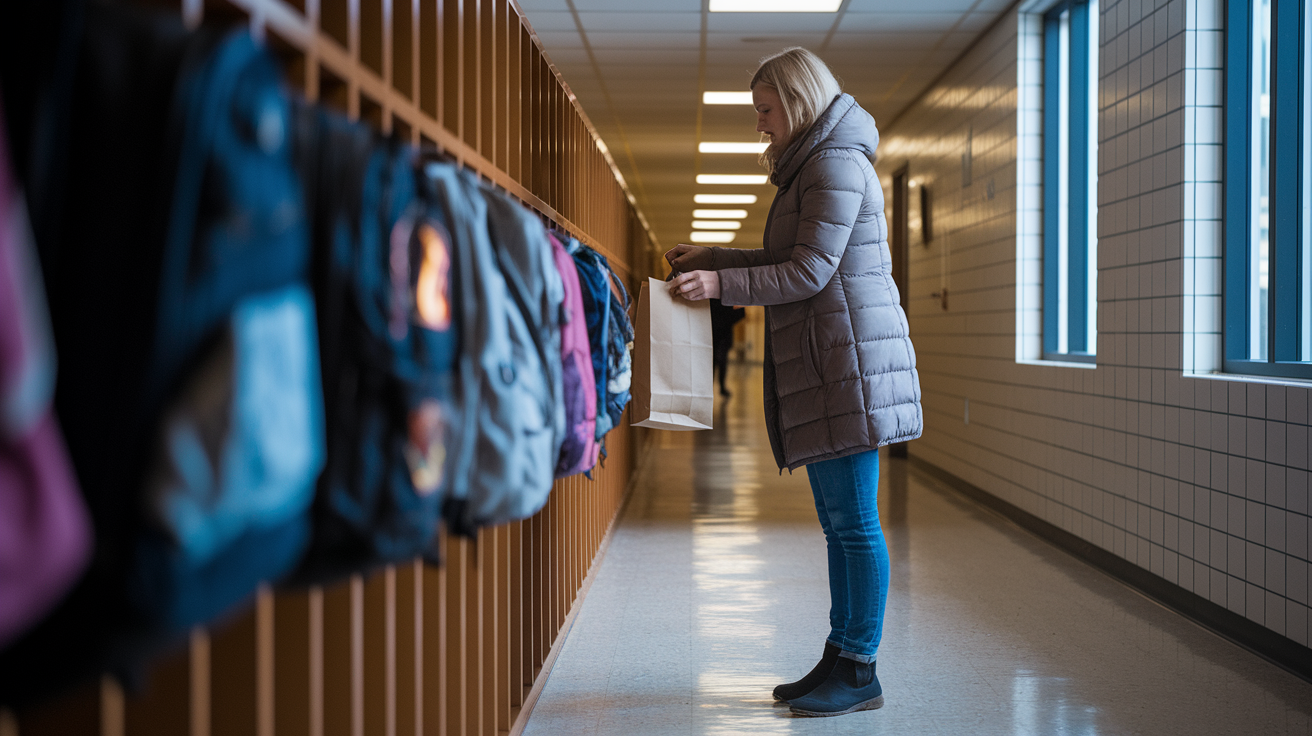
Ask anyone how a community food bank actually solved weekend hunger for kids, and Minnesota’s got a pretty clear answer. EveryMeal, formerly known as The Sheridan Story, runs a weekend meal program that places 4-5 pound food bags directly into students’ backpacks every Friday during the school year. It started small. A school staff member noticed something was off with certain kids on Monday mornings and said the quiet part out loud: “students don’t have food on the weekends.” That one observation turned into a statewide school partnerships network that now touches thousands of children every week.
The operating model is refreshingly simple once you see it. Volunteers pack bags filled with nonperishable, easy-to-prepare food. Those bags get delivered to partner schools, where staff or volunteers slip them into backpacks before the final bell on Friday. No announcements, no lines, no separating kids from their peers. Enrollment has zero barriers built in. Families don’t need to prove income, fill out paperwork, or hand over contact information. Any child can join at any point in the school year, which removes the awkward gatekeeping that keeps some hungry kids from getting help in the first place.
And the results speak for themselves. More than 300,000 Minnesota children live with food insecurity, and EveryMeal’s backpack program now reaches a meaningful slice of that population across schools statewide. Teachers and school staff have reported better Monday attendance, sharper classroom focus, and fewer hunger-related nurse visits since the program took root. That’s the quiet, steady proof that a weekend meal program isn’t just feeding stomachs. It’s protecting a child’s ability to show up and learn.
How Does A Food Bank Identify Children Facing Weekend Hunger?

Every weekend hunger program starts the same way: someone notices. In EveryMeal’s case, it was a school staff member who flagged a pattern that’s easy to miss if you’re not looking for it. Kids arriving Monday tired, irritable, or asking for extra snacks. That single conversation became the spark for a program that now serves communities across Minnesota. It’s a good reminder that school partnerships often begin with one person paying attention, not a formal study or a grant proposal.
But intuition only gets a program so far. To understand the true size of child food insecurity in a community, food banks lean on hard numbers. Nationally, more than 16 million children, over 1 in 5, live in households that struggle to put consistent meals on the table. Local data digs even deeper. One service area studied by a similar program found a 27.4% child food insecurity rate, translating to roughly 20,000 children needing weekend support. Combining U.S. Census data, Feeding America research, and local studies gives organizations a realistic picture of where the need is greatest, instead of just guessing.
Once a program launches, identification doesn’t stop at the starting line. Parent liaisons, school nurses, and classroom teachers become the ongoing eyes and ears, quietly flagging students who show signs of hunger or whose families could use the extra support. Principals and administrators often make the first formal referral, but it’s the day-to-day school staff who keep the list current as circumstances change throughout the year. This steady, human-level attention is what keeps a weekend meal program responsive instead of static.
How Do Schools Partner With The Food Bank?

Rather than signing on entire school districts, EveryMeal builds its network one school at a time. This school-by-school approach means each principal and staff team becomes a direct point of contact, which keeps communication personal and makes it easier to tailor the program to that specific building’s needs. It’s a slower way to grow, sure, but it builds a stronger foundation than a blanket district mandate ever could.
At each partner school, one person usually steps up as the go-to coordinator. Sometimes it’s a parent liaison. Sometimes it’s a school counselor or a front-office staff member who already knows which families might benefit most. This person tracks enrollment numbers, manages where the bags get stored during the week, and keeps a running count so the food bank knows exactly how much to deliver each Friday.
Beyond that single coordinator, schools take on a handful of practical responsibilities to keep the weekend meal program running smoothly. They provide storage space, usually a closet or small room near the office. They help recruit staff volunteers for Friday packing and distribution. And they handle sensitive family communication, letting parents know the option exists without singling anyone out. New schools typically go through an onboarding period, including a needs assessment and a trial semester, before scaling up to full weekly distribution. It’s a deliberate, steady rollout that protects the quality of the program as it grows.
What Does A Weekend Backpack Meal Program Actually Include?
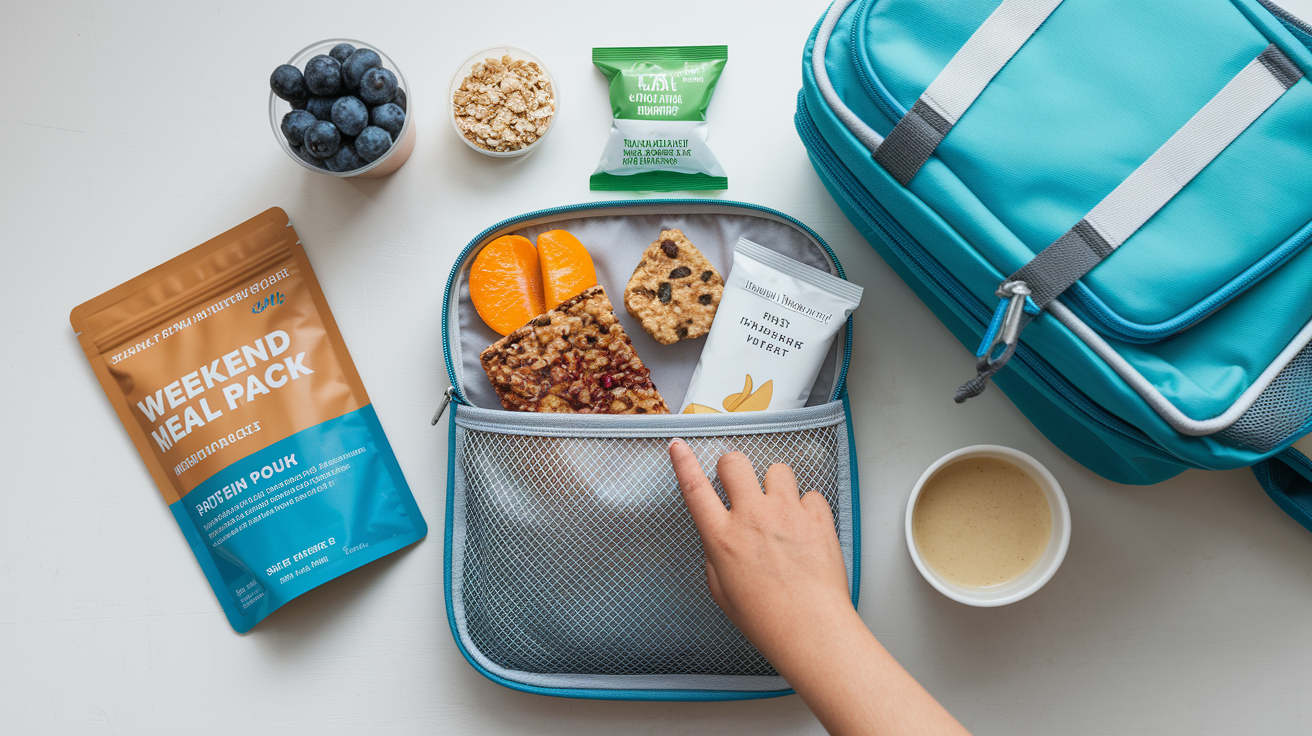
At the center of every backpack program is a simple, physical object: a 4-5 pound bag of food designed to get one child through Saturday and Sunday. The philosophy behind what goes inside is straightforward. Everything needs to be nonperishable, easy for a child to prepare with little or no help, and appealing enough that it actually gets eaten. Think shelf-stable proteins, whole grain snacks, fruit cups, and simple breakfast items. Nothing that requires an oven or a parent standing over a stove.
| Bag Type | Contents Focus | Serves |
|---|---|---|
| Standard Weekend Bag | Nonperishable staples, kid-friendly snacks, easy-prep breakfast and lunch items | 1 child, Saturday-Sunday |
| Culturally Tailored Variant | Familiar staples and flavors reflecting local family preferences | 1 child, Saturday-Sunday |
| Allergy-Conscious Variant | Nut-free, dairy-free, or gluten-free swaps based on family need | 1 child, Saturday-Sunday |
Final Words
EveryMeal now fills 4-5 lb weekend bags and tucks them into students’ backpacks every Friday at Minnesota schools. It started after a school staffer noticed kids going hungry on weekends, and it runs with no forms, no stigma, and quiet, school-based distribution.
Schools sign on one-by-one, track bags, and store supplies while EveryMeal buys in bulk and relies on community donors. Serving thousands weekly and helping over 300,000 Minnesota children facing food insecurity shows exactly how a community food bank eliminated weekend hunger for kids. It’s practical, proven, and ready to grow.
FAQ
Q: What is the best charity for hungry children?
A: The best charity for hungry children is one that shows clear impact, transparency, and local school partnerships. In Minnesota, EveryMeal’s Weekend Backpack program is a strong example, serving thousands discreetly each week.
Q: Did Trump cut funding for food banks?
A: Changes to federal funding under the Trump administration affected some food programs, but most food banks rely mainly on private donors, community sponsors, and local support rather than steady federal funding.
Q: Can food pantries turn you away?
A: Food pantries can turn you away for reasons like capacity, storage limits, eligibility rules, or missing ID; however, many school-based programs such as EveryMeal have no-barrier enrollment and don’t collect contact information.
Q: How does the food bank help the community?
A: Food banks help the community by supplying nutritious weekend bags, partnering with schools, reducing weekend hunger, and improving Monday attendance, classroom focus, and fewer nurse visits, outcomes EveryMeal reports in Minnesota.
