Ever wondered how movies make those scenes look almost too perfect to be real? They mix computer magic with live stunts to create stunning visuals. It's like mixing your favorite ingredients in a secret recipe, with each add-on bringing a special pinch of wonder.
In this piece, we’re chatting about how practical effects and digital art come together to turn simple sketches into epic scenes that pop with life. Stick around, and let's break down the behind-the-scenes magic that makes blockbusters shine on the big screen.
blockbuster film special effects explained: Visual Magic
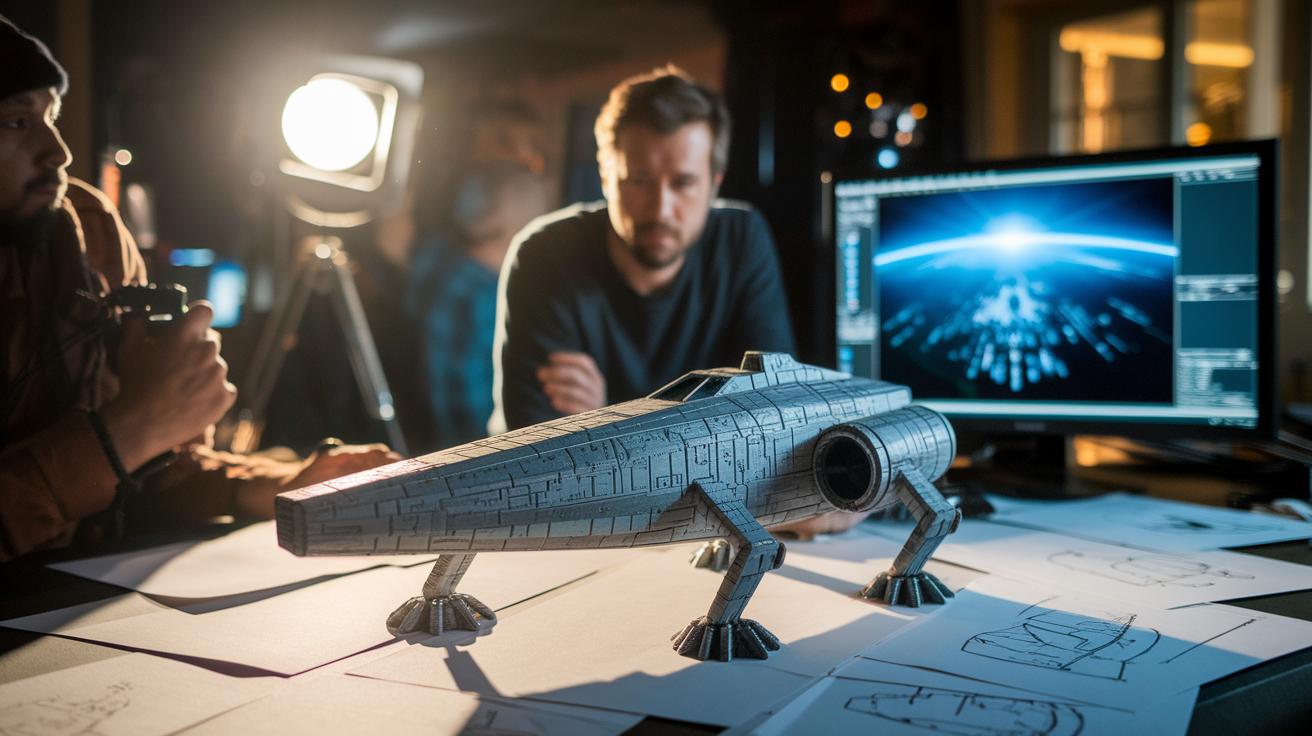
VFX is all about mixing CGI (that’s computer-created images) with real-life tricks to create movie magic. It’s like the secret sauce that turns a film into a dazzling spectacle. CGI lets filmmakers build wild scenes that would be too risky or downright impossible to shoot in real life, while practical effects, think animatronics, miniatures, and prosthetics, give actors real objects to react to. Ever seen a tiny spaceship up close? It might be a model that makes the film feel extra real.
It all kicks off with storyboarding, where ideas get sketched out to set the stage. After that, previsualization steps in and turns those sketches into simple animations, mapping out the director’s vision before the cameras roll. During filming, a mix of on-set practical effects and carefully planned digital magic is captured. Later, in post-production, experts stitch everything together so the live footage and CGI blend perfectly. It’s a long journey from storyboard to final composite, and it’s what makes each epic battle and immersive world so believable.
The true wonder comes from balancing the real and the digital. When practical effects and computer graphics work side by side, you feel like you’re right there in the heart of the story, witnessing visuals that are both believable and full of excitement.
Historical Evolution of Blockbuster Film Special Effects
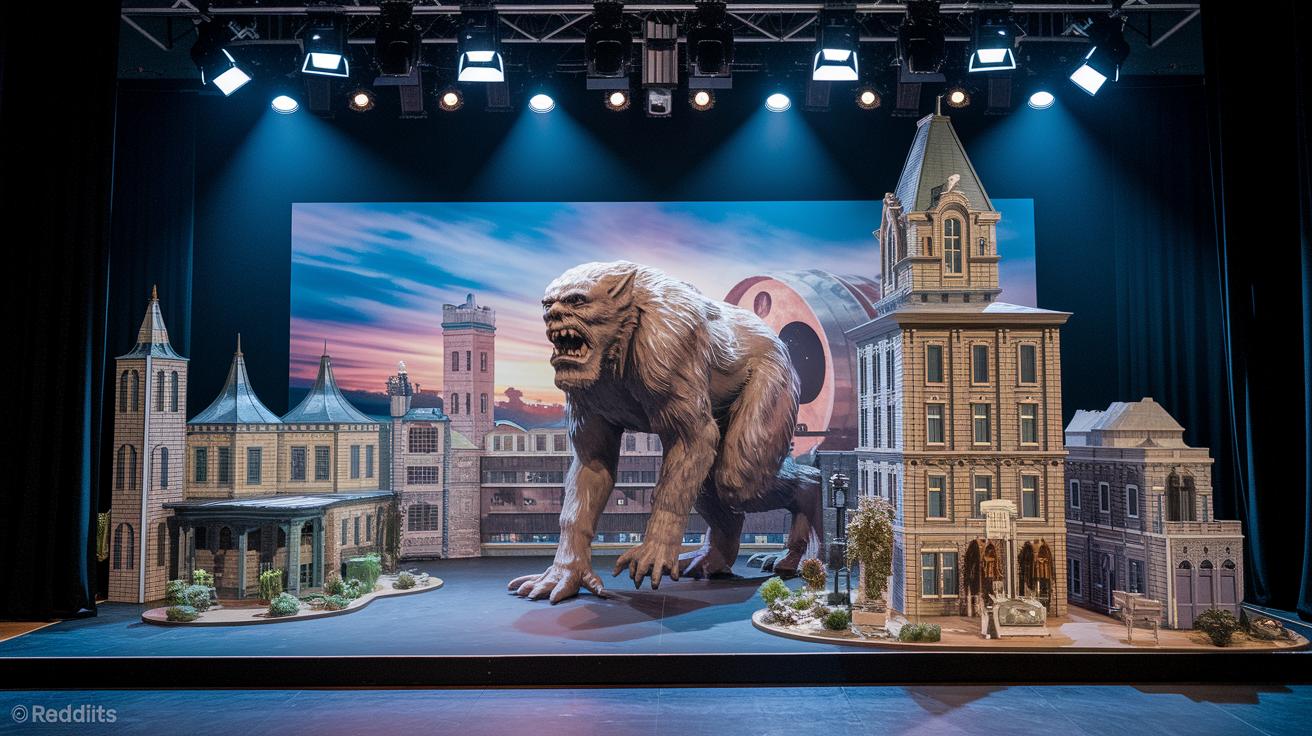
Before CGI took over, filmmakers got super creative right on set. They used cool tricks like miniatures, matte paintings, and stop-motion animation to bring wild worlds and gigantic characters to life, even when tech was pretty basic.
- King Kong (1933): They mixed stop-motion and mini models to make a legendary giant creature.
- Jason and the Argonauts (1963): Smart stop-motion techniques turned mythical beings into believable stars.
- Star Wars (1977): Classic scale models, like the Millennium Falcon and Star Destroyer, made outer space seem real.
- The Thing (1982): This film pushed creature effects to the edge with over a year of intense work.
- The Lord of the Rings (2001): Forced perspective was used to trick the eye, making characters appear larger or smaller and adding magic to the scenes.
These early tricks paved the way for the dazzling effects we see in today’s movies. Filmmakers learned to create a real sense of wonder using practical magic. Their hands-on methods not only thrilled audiences back then but also sparked a passion for experimenting with even more advanced techniques. Every blockbuster that mixes old-school effects with digital magic carries a little bit of that unforgettable charm.
Technical Breakdown of CGI Techniques in Blockbuster Films
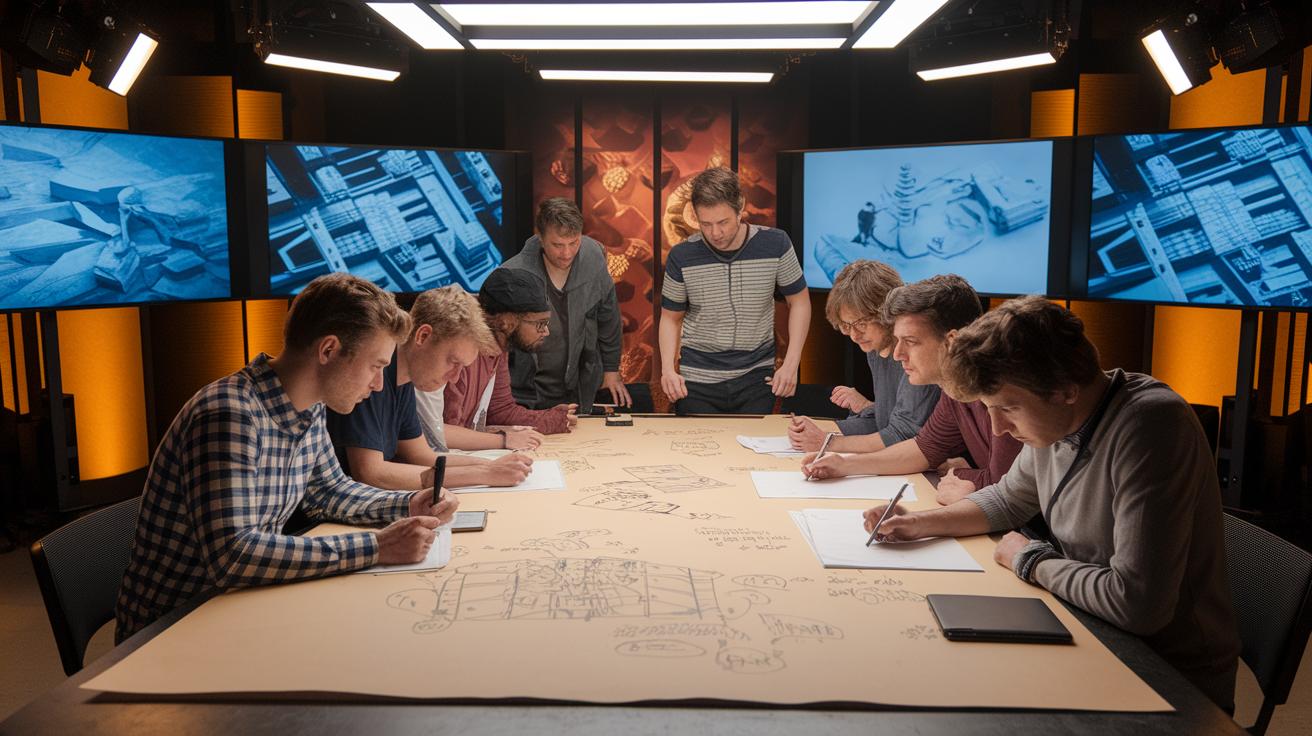
Big movies start with a spark of a cool idea, like doodles that set the stage for all the action. Artists sketch out these ideas, which then grow into detailed digital layouts using top-notch tools such as Autodesk Maya, Nuke, and Houdini. Studios plan every shot carefully so that every computer-made element fits perfectly with the live-action scenes. It’s a team effort where directors, visual effects experts, and artists come together to make the magic real.
| Technique | Movie Example | Key Detail |
|---|---|---|
| Time-Slice Photography | The Matrix | 120-camera array for bullet time |
| Motion Capture & Virtual Camera | Avatar | Real-time actor tracking in CGI world |
| Digital Cityscaping | The Avengers | 3D models + aerial footage integration |
New AI tools and real-time techniques are now pushing the limits of what we see on screen. Ever wonder how these mind-blowing scenes come together? Machine learning speeds up the creation of digital assets and textures, while real-time rendering with tools like Unreal Engine lets directors see near-final shots on set. This means quicker tweaks and more creative decisions. By mixing classic compositing strategies with cutting-edge digital tools, today's CGI workflows bring us visuals that feel incredibly real and are crafted faster than ever.
Practical Effects Techniques in Blockbuster Film Production
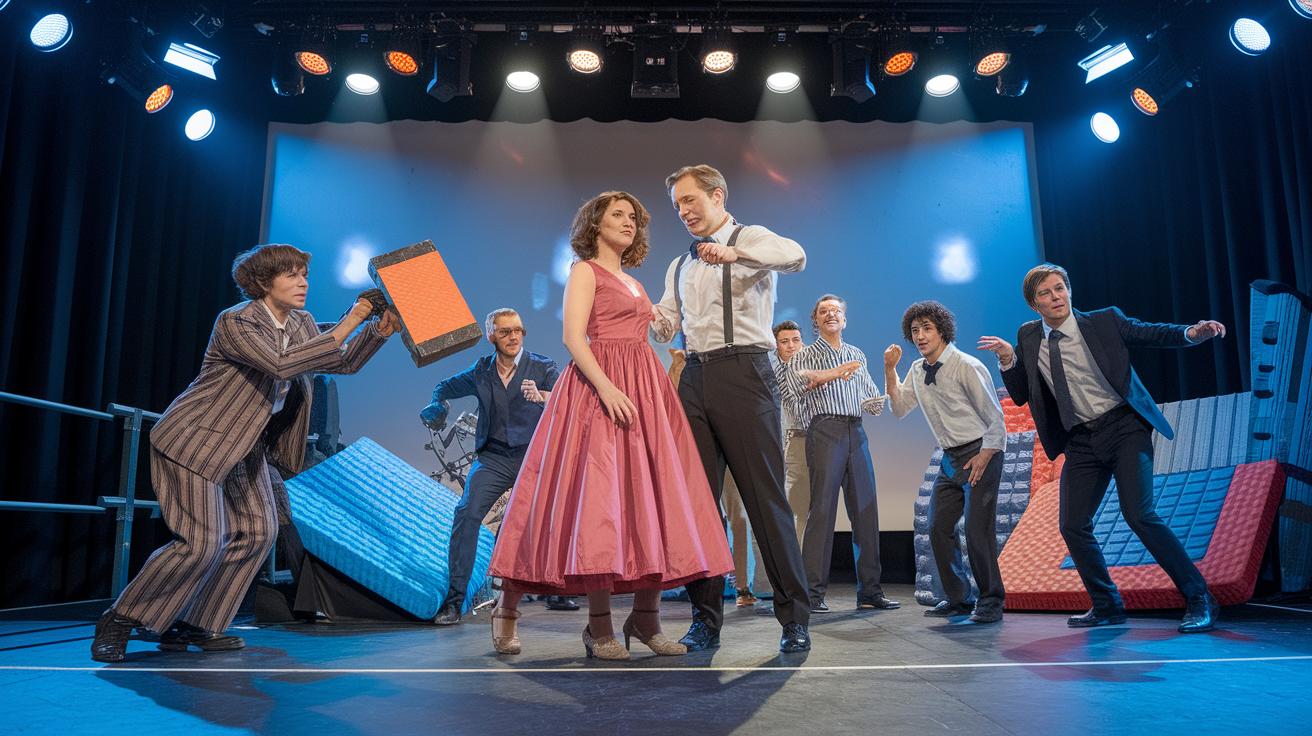
Practical effects bring the movie magic to life with real, physical elements you can almost touch. They let actors interact with real props and sets, making every moment feel tangible, something pure computer tricks just can’t match.
Filmmakers go all out on set, mixing animatronics, miniature models, and makeup transformations to create scenes that pop. For example, remember that spinning hallway fight in Inception? They built a full-scale rig to mimic weightlessness. And in The Dark Knight, live stunt vehicles and hands-on weapons gave the action a raw, exciting feel. Animatronics and prosthetics join forces to breathe life into creatures, so they look like they could walk off the set. Star Wars fans love the iconic, mini spaceship models that feel solid and real, too. Plus, clever pyrotechnics and camera tricks create explosive moments and optical illusions that dazzle the eyes. Forced perspective is another fun trick, making things look either bigger or smaller depending on how they’re filmed, adding a neat layer of believable magic.
These hands-on effects let actors feel every moment, responding naturally to the actual props and surroundings. It’s this genuine touch that makes every scene immersive and truly unforgettable.
Blending Practical and Digital Effects for Seamless Blockbuster Scenes
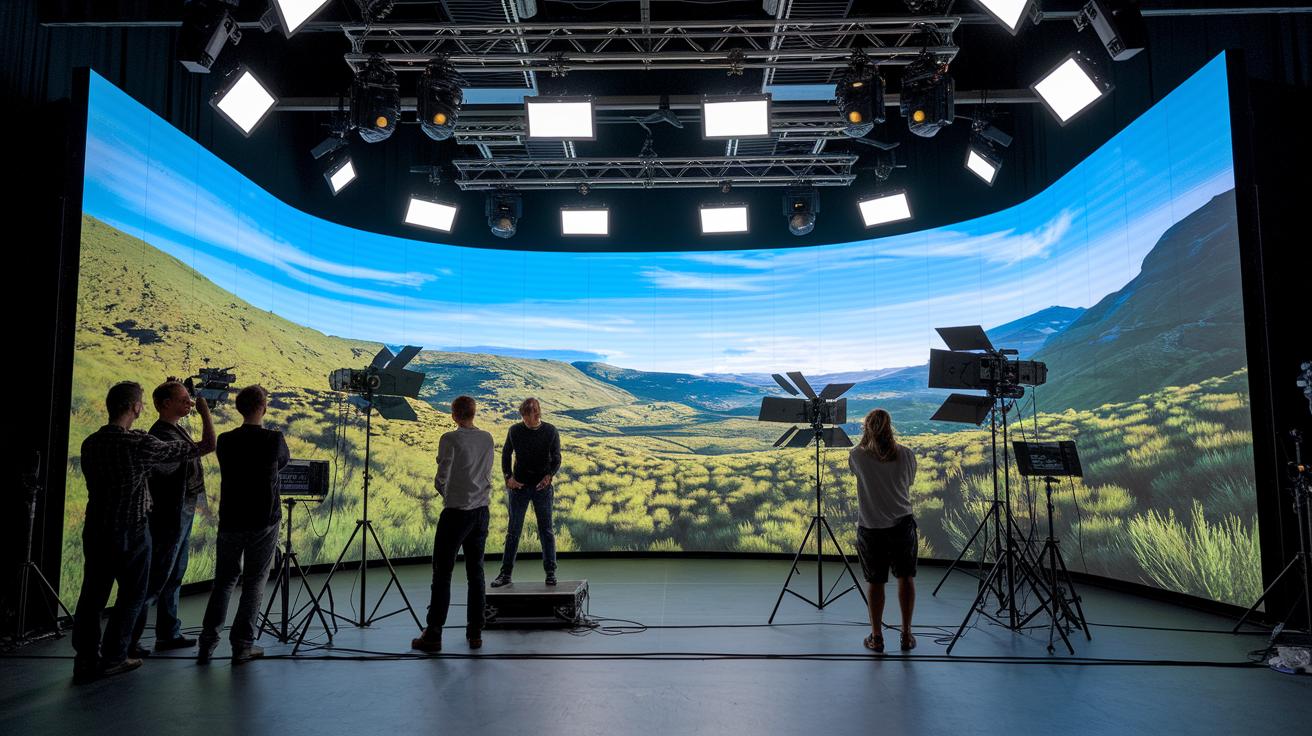
Modern movies mix real-life sets with digital magic in ways that feel almost seamless. Filmmakers face challenges like changing lighting, textures that shift, and cameras that move in surprising ways. They rely on cool real-time rendering tools and VR planning to blend shiny new tech with smooth software.
Take Dune, for example. It combines massive real sets with LED screens and digital backdrops that pull you into a vast world. Then there's Spider-Man: No Way Home, where complex camera moves get smoothed out using advanced motion tracking and digital doubles to keep every swing believable. And in Top Gun: Maverick, genuine in-flight practical effects team up with next-gen CGI that plays nicely with real lighting and depth.
Later, in post-production, creative compositing ties every digital layer neatly with its real-life counterpart. New software now helps match shadows, textures, and reflections automatically, cutting down on endless tweaks and delivering that perfect, seamless shot.
Future Trends and Innovations in Blockbuster Film Special Effects
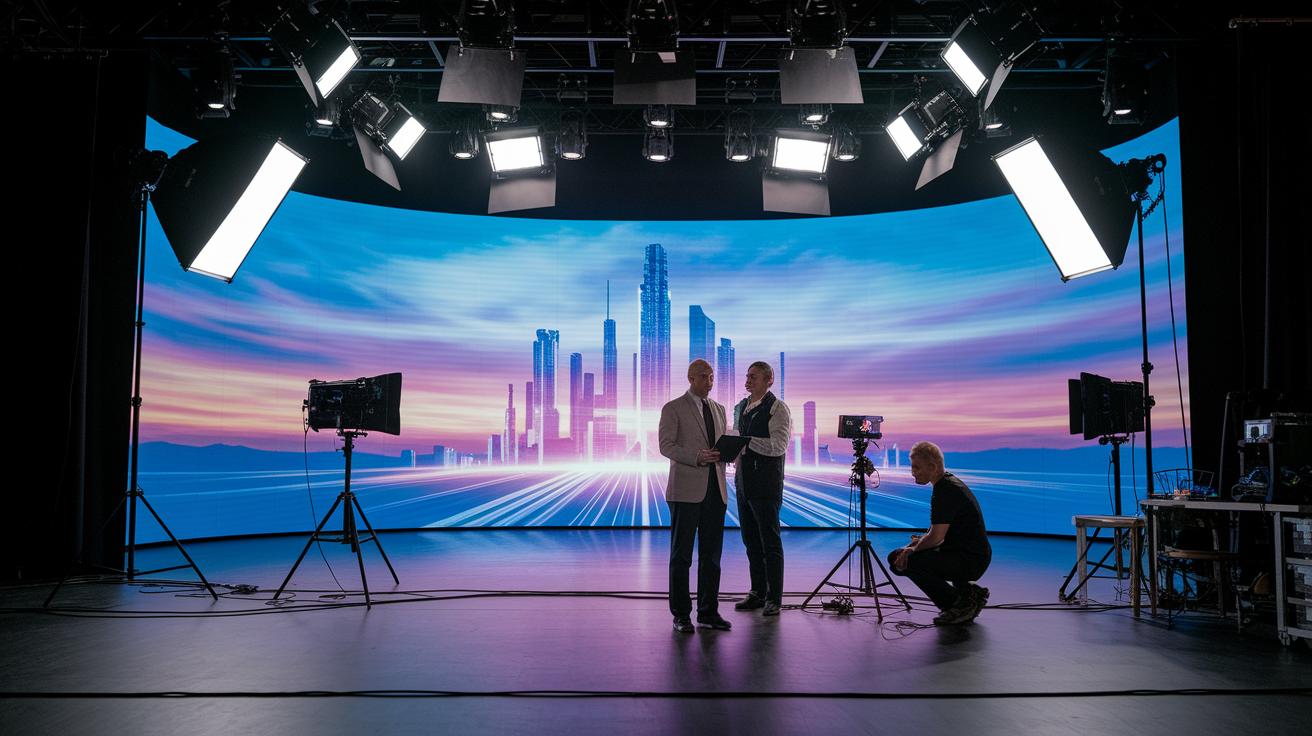
Tomorrow's blockbuster movies are gearing up with the coolest new special effects tools. AI-powered design and machine learning now let filmmakers create digital assets in a flash. Tasks like modeling and texturing, once slow and tedious, zoom ahead like never before. Real-time rendering by game engines, like what you see with Unreal Engine in shows like The Mandalorian, gives directors instant visual feedback that sparks fresh ideas. Imagine a detailed digital landscape appearing in seconds so that directors can tweak things on the fly. It's a neat mix of new tech and creative art that is completely changing how we enjoy movie magic.
On-set planning is getting a big upgrade too. Automated systems now handle script breakdowns, shot lists, budgets, and schedules without missing a beat. With tools like volumetric capture and VR previsualization, directors can literally step into digital worlds and plan scenes in an interactive way. Picture refining a tricky action scene in a virtual space where every camera move and lighting setup is captured instantly. These smart digital techniques and planning tools are shaking up film production by making it smoother and more immersive than ever before.
Final Words
In the action, we walked through how filmmakers blend CGI and in-person effects to pull off epic scenes. We saw the step-by-step process from planning and shooting to merging digital magic with hands-on creativity. The post broke down everything from early tricks to modern tools, and even touched on fresh tech shaping tomorrow’s movies.
This journey through blockbuster film special effects explained leaves us all energized and ready for the next big reveal. Enjoy the magic and keep the excitement alive!
FAQ
What is the history of special effects in film?
The history of special effects in film starts with early tricks like miniatures and stop-motion, moving to today’s blend of on-set techniques and digital magic that brings excitement to every blockbuster.
What are some examples of special and visual effects in movies?
Examples include miniatures, animatronics, CGI, and motion capture. These effects add flair during action scenes, giving life to everything from epic battles to quirky animated moments on screen.
What types of special effects exist in movies?
Special effects come in two main types: digital effects using CGI and on-set methods like animatronics, prosthetics, miniatures, and pyrotechnics. Each method creates astonishing visuals that delight viewers.
What clues might appear in a special effects films crossword?
Special effects crossword clues often hint at movie magic techniques with words like CGI, SFX, or practical. They challenge your film trivia by referring to on-set tricks and digital illusions.
What are the common abbreviations used for special effects in films?
Abbreviations like SFX for practical effects and VFX for digital visual effects are popular. These shortcuts are used by filmmakers and fans to talk about the magic behind the scenes.
What does special effects mean in movies?
Special effects mean the creative methods filmmakers use to produce illusions on screen. By blending live action with digital enhancements, movies create scenes that captivate and surprise audiences.
What do practical special effects involve?
Practical special effects involve real on-set methods like animatronics, miniatures, prosthetic makeup, and live stunts. These hands-on techniques help actors interact with believable, tangible elements during filming.
How did they do special effects on film?
Special effects on film are made by planning with storyboards, shooting live-action tricks, and then adding digital layers during editing. This mix of techniques creates the memorable, eye-catching scenes we love.
Why does every movie have a Wilhelm Scream?
The Wilhelm Scream has become a classic audio Easter egg in films. It started as a stock sound effect and became a playful tradition, with filmmakers inserting it as a quirky nod to movie history.
How did the Blockbuster video work?
The Blockbuster video system relied on VHS tapes and brick-and-mortar rental stores to distribute movies. Its user-friendly method allowed viewers to easily rent and enjoy films at home.
What movie took 48 years to make?
A unique film project earned the reputation of taking 48 years to complete. This long production period highlights the persistence and evolving creative techniques applied over many decades.
